Shade Gardening for Vegetables: What Grows with Less Sun
- 26 Mar, 2026
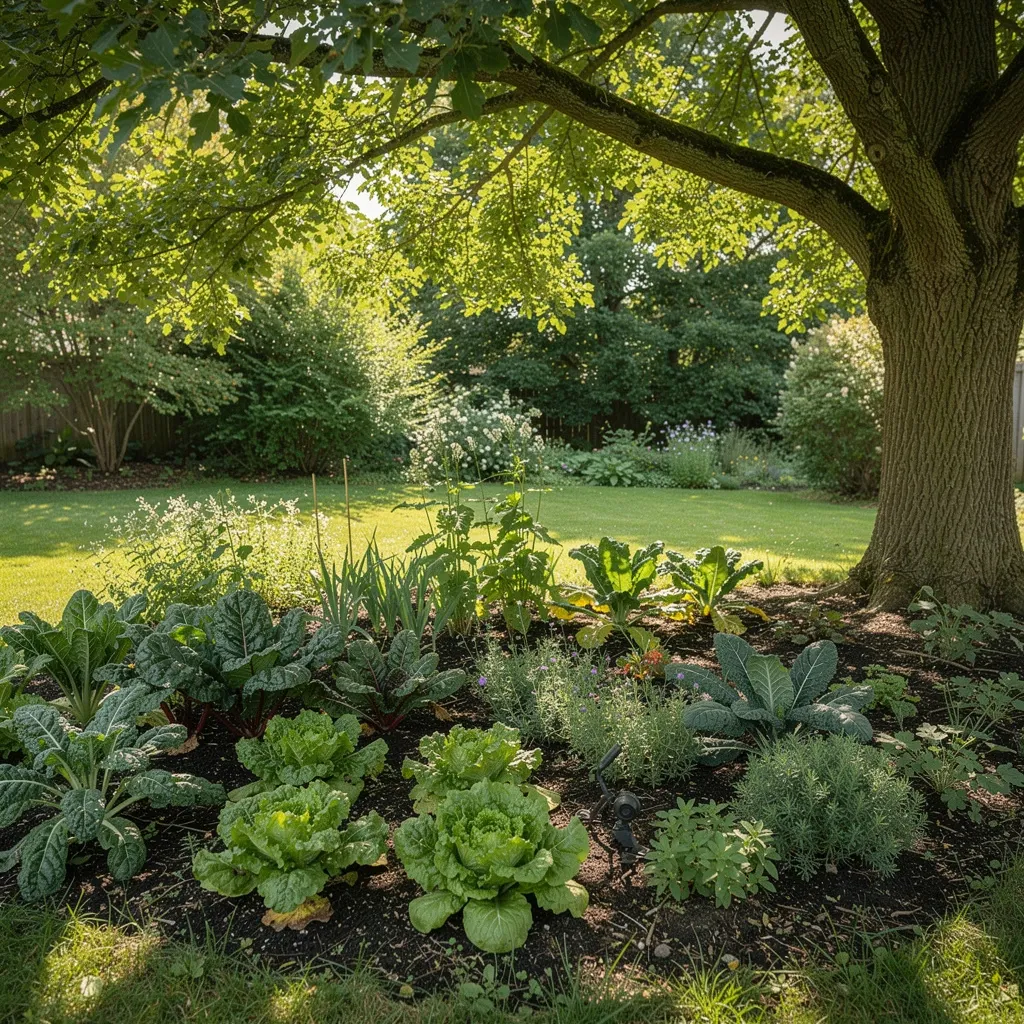
If your yard gets perfect all-day sun, I am happy for you and just a little jealous. Mine has mature trees, awkward angles, and that one bed that gets beautiful morning light and then basically takes a nap.
The good news: you can still grow a lot in partial shade.
How Much Sun Counts as Partial Shade
For vegetables, partial shade usually means about 3-6 hours of direct sun, plus bright indirect light.
In general:
- 6+ hours: many fruiting crops can work
- 4-6 hours: focus on leafy crops and quick roots
- Under 4 hours: choose herbs, greens, and manage expectations
Best Vegetables for Shadier Spots
Most Reliable
- Lettuce
- Spinach
- Arugula
- Swiss chard
- Kale
- Mustard greens
Also Worth Trying
- Beets (especially for greens and baby roots)
- Radishes
- Green onions
- Peas (especially with cool weather)
- Some herbs like parsley, cilantro, and mint
Root crops can still work, just usually a bit slower than in full sun.
Crops That Need More Sun
These generally want stronger light for top yield:
- Tomatoes
- Peppers
- Eggplant
- Melons
- Most winter squash
If you grow them in partial shade, lower expectations and choose compact or early-maturing varieties.
Layout Tricks That Help
- Put tallest crops where they will not shade shorter ones
- Use reflective light from pale walls or fences when possible
- Grow sun-lovers in containers so you can move them to brighter spots
- Keep paths clear so airflow reduces disease risk in cooler shade pockets
For container strategy, see Container Gardening: Growing Big Harvests in Small Spaces.
Watering and Soil in Shade Beds
Shade beds often stay moist longer.
- Check soil before watering, do not water by habit
- Use compost to improve structure and root health
- Mulch lightly to keep moisture even without creating soggy conditions
A careful routine from How to Water a Vegetable Garden the Right Way is especially helpful here.
A Realistic Harvest Mindset
Shade gardens usually produce fewer fruits and more greens. That is not failure. It is just a different style of abundance.
Some of my most dependable salad harvests come from my “not ideal” beds. I remember one sticky July evening, knees grumbling as usual, cutting a big bowl of lettuce from a bed that only sees morning sun. I laughed out loud because that bed had proved me wrong again.
If your space is shady, start with greens and herbs. Get one reliable win, then expand from there.