Showing Posts From
Small spaces
- 26 Mar, 2026
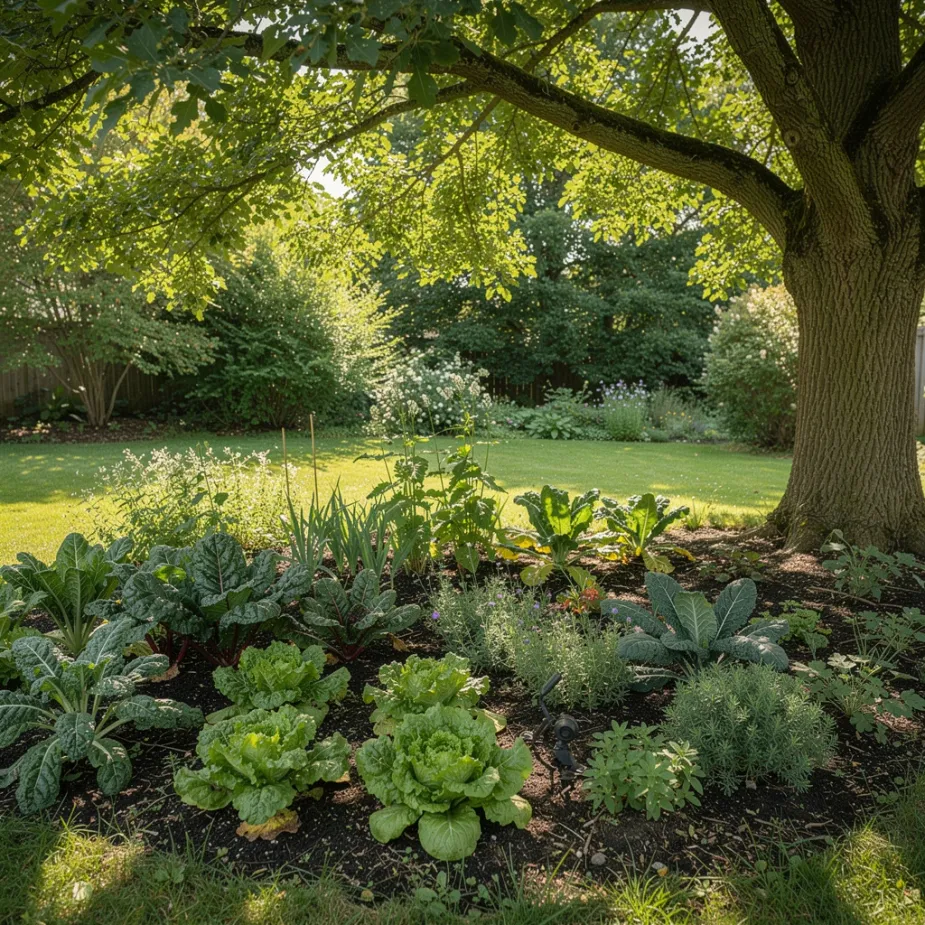
Shade Gardening for Vegetables: What Grows with Less Sun
If your yard gets perfect all-day sun, I am happy for you and just a little jealous. Mine has mature trees, awkward angles, and that one bed that gets beautiful morning light and then basically takes a nap. The good news: you can still grow a lot in partial shade. How Much Sun Counts as Partial Shade For vegetables, partial shade usually means about 3-6 hours of direct sun, plus bright indirect light. In general:6+ hours: many fruiting crops can work 4-6 hours: focus on leafy crops and quick roots Under 4 hours: choose herbs, greens, and manage expectationsBest Vegetables for Shadier Spots Most ReliableLettuce Spinach Arugula Swiss chard Kale Mustard greensAlso Worth TryingBeets (especially for greens and baby roots) Radishes Green onions Peas (especially with cool weather) Some herbs like parsley, cilantro, and mintRoot crops can still work, just usually a bit slower than in full sun. Crops That Need More Sun These generally want stronger light for top yield:Tomatoes Peppers Eggplant Melons Most winter squashIf you grow them in partial shade, lower expectations and choose compact or early-maturing varieties. Layout Tricks That HelpPut tallest crops where they will not shade shorter ones Use reflective light from pale walls or fences when possible Grow sun-lovers in containers so you can move them to brighter spots Keep paths clear so airflow reduces disease risk in cooler shade pocketsFor container strategy, see Container Gardening: Growing Big Harvests in Small Spaces. Watering and Soil in Shade Beds Shade beds often stay moist longer.Check soil before watering, do not water by habit Use compost to improve structure and root health Mulch lightly to keep moisture even without creating soggy conditionsA careful routine from How to Water a Vegetable Garden the Right Way is especially helpful here. A Realistic Harvest Mindset Shade gardens usually produce fewer fruits and more greens. That is not failure. It is just a different style of abundance. Some of my most dependable salad harvests come from my "not ideal" beds. I remember one sticky July evening, knees grumbling as usual, cutting a big bowl of lettuce from a bed that only sees morning sun. I laughed out loud because that bed had proved me wrong again. If your space is shady, start with greens and herbs. Get one reliable win, then expand from there. Related ReadingContainer Gardening: Growing Big Harvests in Small Spaces How to Water a Vegetable Garden the Right Way Root Vegetables for Beginners: Carrots, Beets, Radishes, and Turnips
- 15 Feb, 2026
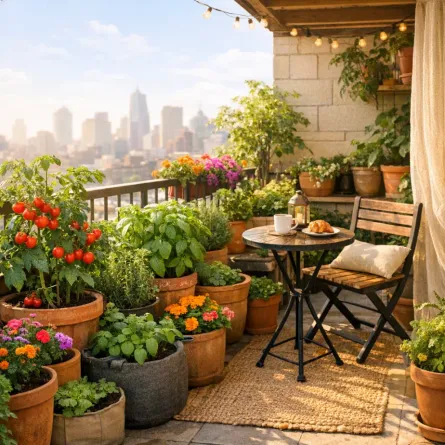
Container Gardening: Growing Big Harvests in Small Spaces
When I lived in my first apartment, I was sure my gardening dreams would have to wait until I had a "real" yard. I was so wrong. That tiny balcony became one of my most productive growing spaces, and it taught me that small spaces can still feed your spirit and your kitchen. Whether you have a balcony, patio, rooftop, or just a sunny stoop, container gardening can do a lot more than people think. Why Container Gardening Works Container gardening isn't a compromise. It's a legitimate and often superior way to grow food.Total portability: Chase the sun, dodge the frost, rearrange at will Perfect soil control: No dealing with rocky or clay-heavy ground Fewer weeds: Seriously, almost none Less pest pressure: Elevated containers dodge many soil-borne problems Accessibility: Garden at any height that's comfortable for you Looks gorgeous: Well-chosen pots add style to any spaceChoosing the Right Containers Size Matters This is the single most important decision in container gardening. Too small and your plants will struggle with heat, drought, and cramped roots.Container Size What to Grow1-2 gallons (small) Herbs, lettuce, radishes, strawberries3-5 gallons (medium) Peppers, bush beans, compact tomatoes, chard7-10 gallons (large) Full-size tomatoes, eggplant, zucchini, cucumbers15-20 gallons (XL) Potatoes, small fruit trees, multiple plantsMy rule of thumb: When in doubt, go one size bigger. Your plants will reward you. Material Options Fabric grow bags: My current favorite! They air-prune roots (preventing circling), drain beautifully, fold flat for storage, and are surprisingly affordable. The only downside: they dry out faster. Terracotta: Classic look, breathable, keeps roots cool. Heavy and breakable, but perfect for Mediterranean herbs. Plastic: Lightweight, affordable, retains moisture well. Choose dark colors with caution as they absorb heat. Glazed ceramic: Beautiful and moisture-retentive. Can be heavy and expensive. Self-watering containers: Fantastic for busy gardeners or hot climates. A built-in reservoir keeps plants consistently hydrated. The Non-Negotiable Rule Every container needs drainage holes. No exceptions. If you find a beautiful pot without holes, drill some. Sitting in waterlogged soil is the fastest way to kill a container plant. The Best Potting Mix Never use garden soil or topsoil in containers. It compacts, drains poorly, and may bring in pests and disease. My Container Mix Recipe60% quality potting mix: Look for one with peat or coco coir 20% compost: For nutrients and beneficial microbes 20% perlite: For drainage and aerationBoosting Your MixAdd slow-release organic fertilizer at planting time Mix in a handful of worm castings for a nutrient boost For moisture-loving plants, add a bit of extra coco coirHow Much Soil Do You Need? A rough guide:5-gallon pot ≈ 0.7 cubic feet of mix 10-gallon pot ≈ 1.3 cubic feet of mix A standard bag of potting mix (2 cubic feet) fills about three 5-gallon potsBest Vegetables for Containers Tomatoes The king of container gardening! Choose compact varieties bred for pots. Best varieties: Patio Princess, Tumbling Tom, Bush Early Girl, Tiny TimMinimum pot: 5 gallons (10 gallons for full-size varieties) Needs a cage or stake even in containers Full sun, consistent wateringPeppers Both sweet and hot peppers thrive in containers. Best varieties: Lunchbox, Shishito, Jalapeño, Mini BellMinimum pot: 3-5 gallons Love heat, so dark containers in full sun work well Feed regularly once fruiting startsLettuce and Salad Greens Perfect for shallow containers and window boxes. Best varieties: Buttercrunch, Red Sails, Mesclun mixes, ArugulaMinimum container: 6 inches deep Can handle partial shade (great for north-facing balconies!) Succession sow every 2-3 weeks for continuous harvestsBush Beans Productive and easy, no trellis needed. Best varieties: Provider, Contender, Mascotte (bred for containers!)Minimum pot: 3 gallons for 3-4 plants Direct sow into containers Full sun, moderate waterCucumbers Choose bush or compact varieties for pots. Best varieties: Spacemaster, Bush Pickle, Patio SnackerMinimum pot: 5 gallons Provide a small trellis or let them trail over the edge Heavy feeders and drinkersStrawberries A container gardener's dream fruit. Best varieties: Albion, Seascape, Mignonette (alpine)Hanging baskets, window boxes, and strawberry planters all work beautifully Everbearing types give fruit from spring through fall Mulch the surface to keep berries cleanWatering: The Critical Skill Watering is where container gardening demands the most attention. Pots dry out much faster than ground soil, especially in summer. The BasicsCheck daily: Stick your finger an inch into the soil. Dry? Water thoroughly. Water deeply: Until water flows from the drainage holes. This ensures the entire root zone gets moisture. Morning is best: Plants have all day to use the water, and foliage dries before evening Never let pots sit in saucers of water: Empty them after rain or wateringHot Weather Survival In peak summer, containers may need watering twice a day. Strategies to cope:Group pots together: They create a humid microclimate Use mulch: Even in containers, a layer of straw or wood chips helps Move to afternoon shade: If plants are wilting despite morning watering Self-watering inserts: Reservoir systems are a lifesaverIf watering is where your containers struggle, read How to Water a Vegetable Garden the Right Way and adapt the same deep-watering principles to pots. Vacation Planning Going away? Options include:Self-watering pots or inserts Drip irrigation on a timer (my favorite solution) Wicking systems with a bucket of water A kind neighbor or friendFeeding Your Container Garden Container plants are entirely dependent on you for food. Nutrients wash out with each watering. Feeding ScheduleAt planting: Mix slow-release organic fertilizer into the soil Every 2 weeks: Liquid fertilizer (fish emulsion, seaweed extract, or compost tea) When fruiting: Switch to a higher-potassium feed for tomatoes and peppersSigns of Nutrient DeficiencyYellow lower leaves: Often nitrogen deficiency Purple-tinged leaves: Could be phosphorus Poor fruit set: May need more potassium Slow growth overall: Time for a balanced feedContainer Garden Design Ideas The Salad Bowl Balcony Dedicate your space to a continuous salad bar:Large pot: Cherry tomato with basil Medium pots: Peppers, cucumbers Window box: Lettuce mix, arugula, radishes Hanging basket: Strawberries Small pots: Herbs (parsley, chives, cilantro)The Vertical Container Garden Go up instead of out:Stack containers on shelving or a plant stand Use hanging baskets at different heights Mount window boxes on railings Train vining plants up trellises attached to the wallThe Front Porch Kitchen Garden Mix edibles with ornamentals for a welcoming display:Large glazed pot: Dwarf tomato or pepper as the centerpiece Surrounding pots: Herbs, nasturtiums, marigolds, and trailing sweet potato vine Window boxes: Lettuces and pansiesOverwintering and Off-Season Container gardens don't have to end when summer does! Cool-Season Crops Many vegetables prefer cooler weather and thrive in fall and spring containers:Kale, spinach, and Swiss chard Peas (with a small trellis) Radishes and turnips Cilantro and parsleyProtecting from FrostMove pots against the house wall (radiant heat) Cover with frost cloth on cold nights Bring small pots indoors temporarilyMy Container Garden Story That first apartment balcony taught me that limitations can spark creativity. With just eight pots on a south-facing rail, I grew enough cherry tomatoes to share with neighbors, more basil than I could possibly eat, and lettuce so crisp I still remember the bite. Even now, with a full garden, I keep containers by the kitchen door because nothing beats stepping out with scissors and snipping herbs for dinner. Start with one pot and one plant. On days when energy is low, that small start is still more than enough. Related ReadingGrowing Herbs on Your Windowsill: Fresh Flavors Year-Round Raised Bed Gardening: Build, Fill, and Grow Your Best Garden Yet
- 05 Jan, 2026
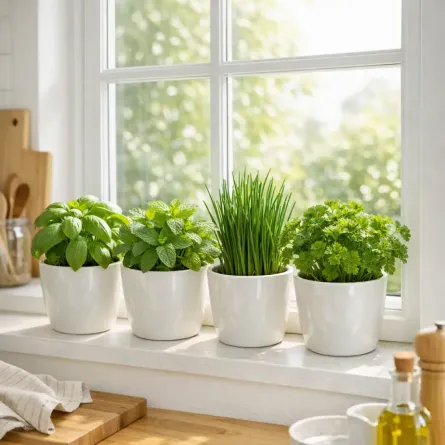
Growing Herbs on Your Windowsill: Fresh Flavors Year-Round
Not everyone has a backyard garden, and that is perfectly okay. Some of my sweetest garden moments happen right at the kitchen sink, snipping herbs from the windowsill while dinner simmers. If your outdoor space is limited, this is still very much real gardening. Why Grow Herbs Indoors?Fresh herbs whenever you need them: No more wilted supermarket bundles! Cost savings: A single basil plant produces more than a dozen store-bought packages No outdoor space required: A sunny window is all you need Year-round growing: Even in the depths of winter It's therapeutic: A little green in your kitchen lifts the spiritsThe Best Herbs for Windowsill Growing Not all herbs thrive indoors equally. Here are my top picks: Easy Herbs (Start Here!) Mint: Nearly impossible to kill. It actually does better contained in a pot!Light: 4-6 hours Water: Keep consistently moist Tip: Pinch regularly to encourage bushy growthBasil: The queen of the herb gardenLight: 6-8 hours (south-facing window ideal) Water: When top inch is dry Tip: Harvest from the top to promote branchingChives: Forgiving and flavorfulLight: 4-6 hours Water: Moderate Tip: Cut to 2 inches above soil when harvestingParsley: Slow to start but productiveLight: 4-6 hours Water: Keep evenly moist Tip: Start from nursery transplants for faster resultsIntermediate Herbs Cilantro: A bit trickier, but worth itLight: 4-6 hours (prefers cooler temps) Water: Keep moist Tip: Sow successively as it bolts quicklyOregano: Mediterranean vibes in your kitchenLight: 6-8 hours Water: Let dry between waterings Tip: Needs excellent drainageThyme: Compact and aromaticLight: 6 hours Water: Let dry between waterings Tip: Good air circulation prevents mildewSetting Up Your Windowsill Garden Choosing Containers Look for pots with drainage holes. This is non-negotiable! Herbs hate soggy roots. I love using:Terracotta pots (breathable, but dry out faster) Ceramic pots with drainage Recycled containers (make your own holes)Size matters: most herbs do well in 6-inch pots. Mint and basil appreciate 8-inch or larger. The Right Soil Use a quality potting mix, not garden soil, which compacts and doesn't drain well indoors. I add a handful of perlite to improve drainage. Light Requirements Here's the truth: most windowsills don't provide quite enough light for herbs. If your herbs are:Leggy and stretching toward the window Pale green instead of vibrant Growing slowlyConsider supplementing with a small grow light. LED grow lights are affordable and make a huge difference. Watering Wisdom Overwatering is the #1 killer of indoor herbs. Follow these guidelines:Stick your finger in the soil and water when the top inch is dry Water thoroughly until it drains from the bottom Never let pots sit in water Morning watering is bestHarvesting Tips The more you harvest, the more your herbs grow! Here's how:Basil: Pinch off leaves from the top, just above a leaf pair Mint: Cut stems just above a leaf node Parsley & Cilantro: Harvest outer stems first, leaving the center to grow Chives: Snip with scissors, leaving 2 inches Thyme & Oregano: Cut sprigs as needed, never more than 1/3 of the plantCommon Problems & Solutions Yellow leaves: Usually overwatering. Check drainage and let soil dry more between waterings. Leggy growth: Not enough light. Move to brighter window or add grow light. Brown leaf tips: Often low humidity. Group plants together or use a pebble tray. Pests (aphids, fungus gnats): Isolate affected plant, spray with diluted neem oil solution. My Favorite Windowsill Setup Right now, my kitchen windowsill holds:A big pot of basil (I go through so much!) Mint in its own container (it would take over otherwise) A mixed pot of parsley and chives Thyme and oregano sharing a terracotta potI rotate them seasonally and start new plants from seed or cuttings to keep the supply fresh. Start Today! You do not need a green thumb or fancy equipment. Start with one pot of basil or mint, give it good light and appropriate water, and build from there. One pot on one sunny sill is enough to begin. Related ReadingContainer Gardening: Growing Big Harvests in Small Spaces Starting Your First Vegetable Garden: A Beginner's Complete Guide Shade Gardening for Vegetables: What Grows with Less Sun