Container Gardening: Growing Big Harvests in Small Spaces
- 15 Feb, 2026
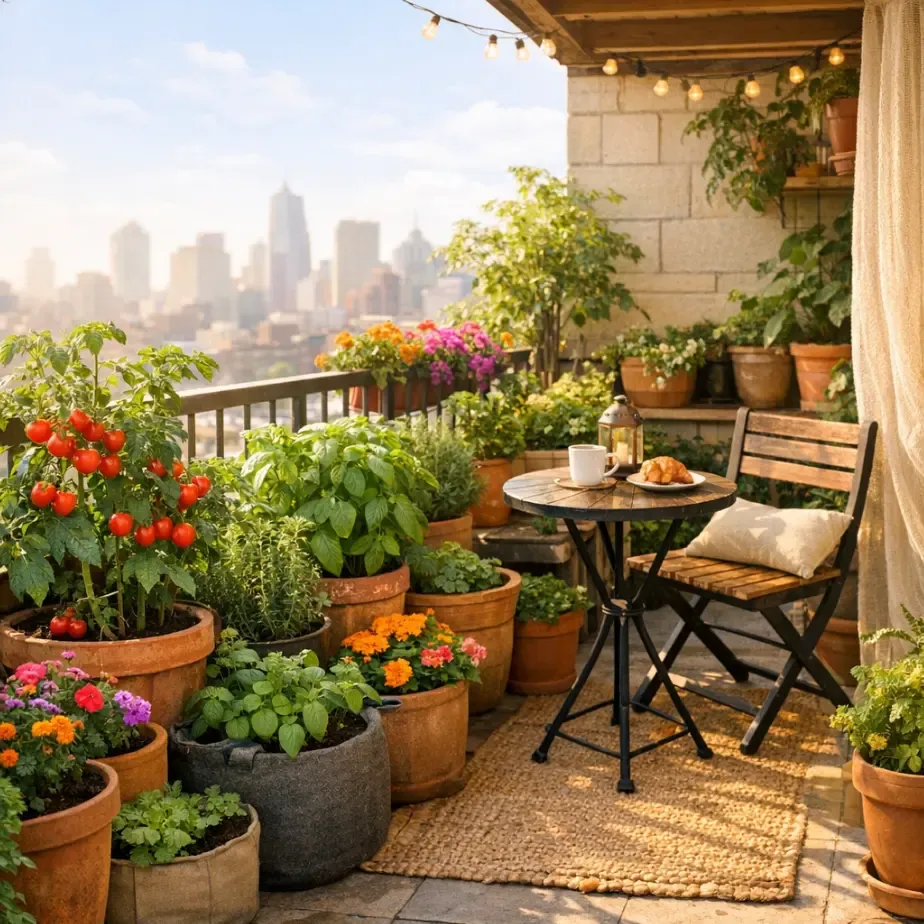
When I lived in my first apartment, I was sure my gardening dreams would have to wait until I had a “real” yard. I was so wrong. That tiny balcony became one of my most productive growing spaces, and it taught me that small spaces can still feed your spirit and your kitchen. Whether you have a balcony, patio, rooftop, or just a sunny stoop, container gardening can do a lot more than people think.
Why Container Gardening Works
Container gardening isn’t a compromise. It’s a legitimate and often superior way to grow food.
- Total portability: Chase the sun, dodge the frost, rearrange at will
- Perfect soil control: No dealing with rocky or clay-heavy ground
- Fewer weeds: Seriously, almost none
- Less pest pressure: Elevated containers dodge many soil-borne problems
- Accessibility: Garden at any height that’s comfortable for you
- Looks gorgeous: Well-chosen pots add style to any space
Choosing the Right Containers
Size Matters
This is the single most important decision in container gardening. Too small and your plants will struggle with heat, drought, and cramped roots.
| Container Size | What to Grow |
|---|---|
| 1-2 gallons (small) | Herbs, lettuce, radishes, strawberries |
| 3-5 gallons (medium) | Peppers, bush beans, compact tomatoes, chard |
| 7-10 gallons (large) | Full-size tomatoes, eggplant, zucchini, cucumbers |
| 15-20 gallons (XL) | Potatoes, small fruit trees, multiple plants |
My rule of thumb: When in doubt, go one size bigger. Your plants will reward you.
Material Options
Fabric grow bags: My current favorite! They air-prune roots (preventing circling), drain beautifully, fold flat for storage, and are surprisingly affordable. The only downside: they dry out faster.
Terracotta: Classic look, breathable, keeps roots cool. Heavy and breakable, but perfect for Mediterranean herbs.
Plastic: Lightweight, affordable, retains moisture well. Choose dark colors with caution as they absorb heat.
Glazed ceramic: Beautiful and moisture-retentive. Can be heavy and expensive.
Self-watering containers: Fantastic for busy gardeners or hot climates. A built-in reservoir keeps plants consistently hydrated.
The Non-Negotiable Rule
Every container needs drainage holes. No exceptions. If you find a beautiful pot without holes, drill some. Sitting in waterlogged soil is the fastest way to kill a container plant.
The Best Potting Mix
Never use garden soil or topsoil in containers. It compacts, drains poorly, and may bring in pests and disease.
My Container Mix Recipe
- 60% quality potting mix: Look for one with peat or coco coir
- 20% compost: For nutrients and beneficial microbes
- 20% perlite: For drainage and aeration
Boosting Your Mix
- Add slow-release organic fertilizer at planting time
- Mix in a handful of worm castings for a nutrient boost
- For moisture-loving plants, add a bit of extra coco coir
How Much Soil Do You Need?
A rough guide:
- 5-gallon pot ≈ 0.7 cubic feet of mix
- 10-gallon pot ≈ 1.3 cubic feet of mix
- A standard bag of potting mix (2 cubic feet) fills about three 5-gallon pots
Best Vegetables for Containers
Tomatoes
The king of container gardening! Choose compact varieties bred for pots.
Best varieties: Patio Princess, Tumbling Tom, Bush Early Girl, Tiny Tim
- Minimum pot: 5 gallons (10 gallons for full-size varieties)
- Needs a cage or stake even in containers
- Full sun, consistent watering
Peppers
Both sweet and hot peppers thrive in containers.
Best varieties: Lunchbox, Shishito, Jalapeño, Mini Bell
- Minimum pot: 3-5 gallons
- Love heat, so dark containers in full sun work well
- Feed regularly once fruiting starts
Lettuce and Salad Greens
Perfect for shallow containers and window boxes.
Best varieties: Buttercrunch, Red Sails, Mesclun mixes, Arugula
- Minimum container: 6 inches deep
- Can handle partial shade (great for north-facing balconies!)
- Succession sow every 2-3 weeks for continuous harvests
Bush Beans
Productive and easy, no trellis needed.
Best varieties: Provider, Contender, Mascotte (bred for containers!)
- Minimum pot: 3 gallons for 3-4 plants
- Direct sow into containers
- Full sun, moderate water
Cucumbers
Choose bush or compact varieties for pots.
Best varieties: Spacemaster, Bush Pickle, Patio Snacker
- Minimum pot: 5 gallons
- Provide a small trellis or let them trail over the edge
- Heavy feeders and drinkers
Strawberries
A container gardener’s dream fruit.
Best varieties: Albion, Seascape, Mignonette (alpine)
- Hanging baskets, window boxes, and strawberry planters all work beautifully
- Everbearing types give fruit from spring through fall
- Mulch the surface to keep berries clean
Watering: The Critical Skill
Watering is where container gardening demands the most attention. Pots dry out much faster than ground soil, especially in summer.
The Basics
- Check daily: Stick your finger an inch into the soil. Dry? Water thoroughly.
- Water deeply: Until water flows from the drainage holes. This ensures the entire root zone gets moisture.
- Morning is best: Plants have all day to use the water, and foliage dries before evening
- Never let pots sit in saucers of water: Empty them after rain or watering
Hot Weather Survival
In peak summer, containers may need watering twice a day. Strategies to cope:
- Group pots together: They create a humid microclimate
- Use mulch: Even in containers, a layer of straw or wood chips helps
- Move to afternoon shade: If plants are wilting despite morning watering
- Self-watering inserts: Reservoir systems are a lifesaver
If watering is where your containers struggle, read How to Water a Vegetable Garden the Right Way and adapt the same deep-watering principles to pots.
Vacation Planning
Going away? Options include:
- Self-watering pots or inserts
- Drip irrigation on a timer (my favorite solution)
- Wicking systems with a bucket of water
- A kind neighbor or friend
Feeding Your Container Garden
Container plants are entirely dependent on you for food. Nutrients wash out with each watering.
Feeding Schedule
- At planting: Mix slow-release organic fertilizer into the soil
- Every 2 weeks: Liquid fertilizer (fish emulsion, seaweed extract, or compost tea)
- When fruiting: Switch to a higher-potassium feed for tomatoes and peppers
Signs of Nutrient Deficiency
- Yellow lower leaves: Often nitrogen deficiency
- Purple-tinged leaves: Could be phosphorus
- Poor fruit set: May need more potassium
- Slow growth overall: Time for a balanced feed
Container Garden Design Ideas
The Salad Bowl Balcony
Dedicate your space to a continuous salad bar:
- Large pot: Cherry tomato with basil
- Medium pots: Peppers, cucumbers
- Window box: Lettuce mix, arugula, radishes
- Hanging basket: Strawberries
- Small pots: Herbs (parsley, chives, cilantro)
The Vertical Container Garden
Go up instead of out:
- Stack containers on shelving or a plant stand
- Use hanging baskets at different heights
- Mount window boxes on railings
- Train vining plants up trellises attached to the wall
The Front Porch Kitchen Garden
Mix edibles with ornamentals for a welcoming display:
- Large glazed pot: Dwarf tomato or pepper as the centerpiece
- Surrounding pots: Herbs, nasturtiums, marigolds, and trailing sweet potato vine
- Window boxes: Lettuces and pansies
Overwintering and Off-Season
Container gardens don’t have to end when summer does!
Cool-Season Crops
Many vegetables prefer cooler weather and thrive in fall and spring containers:
- Kale, spinach, and Swiss chard
- Peas (with a small trellis)
- Radishes and turnips
- Cilantro and parsley
Protecting from Frost
- Move pots against the house wall (radiant heat)
- Cover with frost cloth on cold nights
- Bring small pots indoors temporarily
My Container Garden Story
That first apartment balcony taught me that limitations can spark creativity. With just eight pots on a south-facing rail, I grew enough cherry tomatoes to share with neighbors, more basil than I could possibly eat, and lettuce so crisp I still remember the bite. Even now, with a full garden, I keep containers by the kitchen door because nothing beats stepping out with scissors and snipping herbs for dinner.
Start with one pot and one plant. On days when energy is low, that small start is still more than enough.