Showing Posts From
Shade gardening
- 26 Mar, 2026
Shade Gardening for Vegetables: What Grows with Less Sun
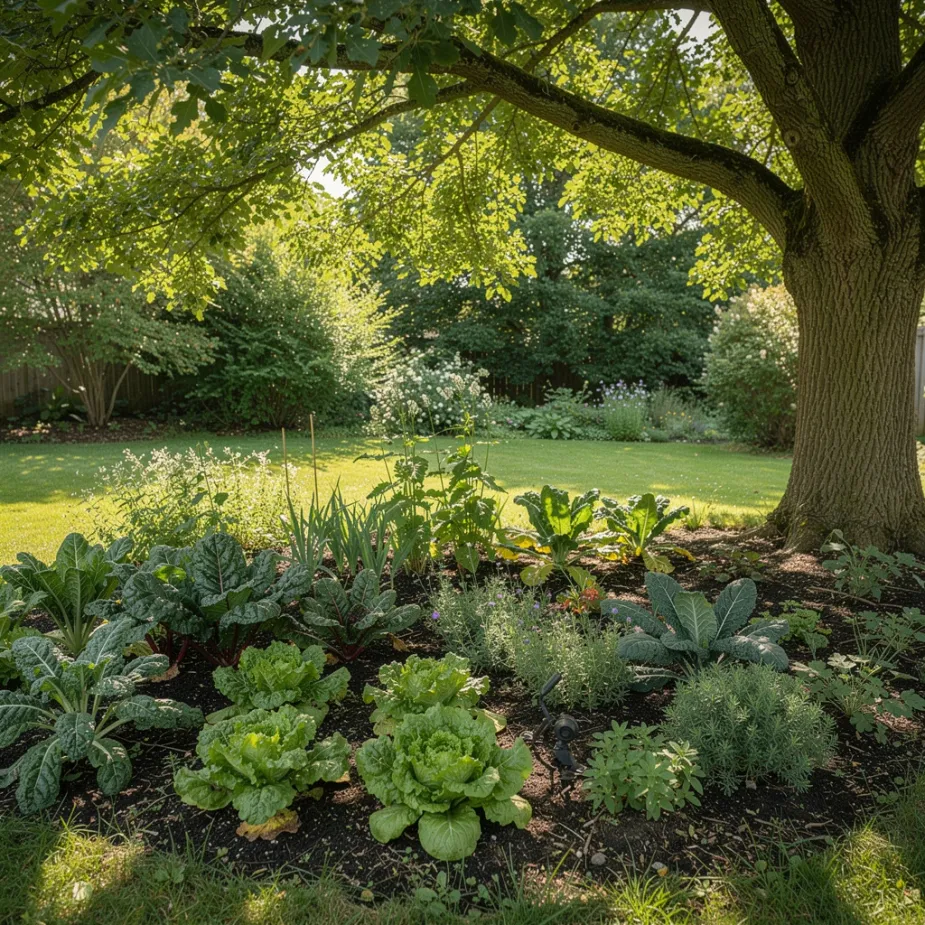
If your yard gets perfect all-day sun, I am happy for you and just a little jealous. Mine has mature trees, awkward angles, and that one bed that gets beautiful morning light and then basically takes a nap. The good news: you can still grow a lot in partial shade. How Much Sun Counts as Partial Shade For vegetables, partial shade usually means about 3-6 hours of direct sun, plus bright indirect light. In general:6+ hours: many fruiting crops can work 4-6 hours: focus on leafy crops and quick roots Under 4 hours: choose herbs, greens, and manage expectationsBest Vegetables for Shadier Spots Most ReliableLettuce Spinach Arugula Swiss chard Kale Mustard greensAlso Worth TryingBeets (especially for greens and baby roots) Radishes Green onions Peas (especially with cool weather) Some herbs like parsley, cilantro, and mintRoot crops can still work, just usually a bit slower than in full sun. Crops That Need More Sun These generally want stronger light for top yield:Tomatoes Peppers Eggplant Melons Most winter squashIf you grow them in partial shade, lower expectations and choose compact or early-maturing varieties. Layout Tricks That HelpPut tallest crops where they will not shade shorter ones Use reflective light from pale walls or fences when possible Grow sun-lovers in containers so you can move them to brighter spots Keep paths clear so airflow reduces disease risk in cooler shade pocketsFor container strategy, see Container Gardening: Growing Big Harvests in Small Spaces. Watering and Soil in Shade Beds Shade beds often stay moist longer.Check soil before watering, do not water by habit Use compost to improve structure and root health Mulch lightly to keep moisture even without creating soggy conditionsA careful routine from How to Water a Vegetable Garden the Right Way is especially helpful here. A Realistic Harvest Mindset Shade gardens usually produce fewer fruits and more greens. That is not failure. It is just a different style of abundance. Some of my most dependable salad harvests come from my "not ideal" beds. I remember one sticky July evening, knees grumbling as usual, cutting a big bowl of lettuce from a bed that only sees morning sun. I laughed out loud because that bed had proved me wrong again. If your space is shady, start with greens and herbs. Get one reliable win, then expand from there. Related ReadingContainer Gardening: Growing Big Harvests in Small Spaces How to Water a Vegetable Garden the Right Way Root Vegetables for Beginners: Carrots, Beets, Radishes, and Turnips