Fall Vegetable Gardening: What to Plant and When
- 05 Mar, 2026
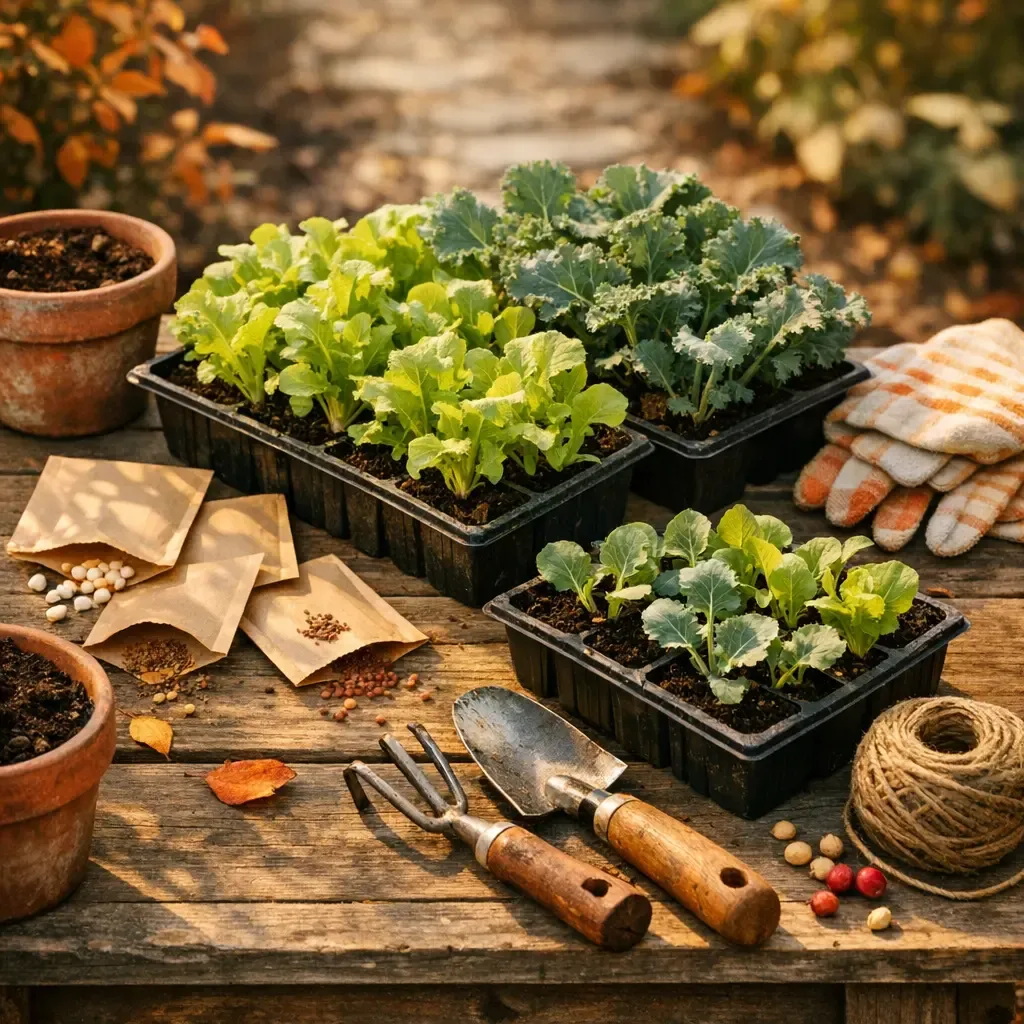
Many gardeners treat summer like the finish line, but some of my favorite harvests come in fall. Cooler temperatures ease the pest pressure, and plenty of crops taste sweeter after chilly nights.
With smart timing, you can keep harvesting well into autumn and, in some climates, even through winter.
Why Fall Gardening Works So Well
Cool-season crops thrive when days are mild and nights are cool. In many regions, fall weather is more stable than spring, which means fewer temperature swings and less stress on young plants.
Other advantages:
- Fewer weeds than spring planting
- Slower bolting in leafy greens
- Better flavor in carrots, kale, and brassicas after light frost
- Productive use of beds after summer crops finish
Start With Your First Fall Frost Date
Your first expected fall frost date is the anchor for all planning.
- Look up your average first frost date
- Count backward based on each crop’s days to maturity
- Add 1-2 extra weeks because shorter days slow growth
This gives you a practical sowing window instead of guesswork.
Reliable Fall Crops
Fast Growers (Great for late starts)
- Radishes
- Arugula
- Baby spinach
- Mustard greens
- Turnips (for greens and roots)
Mid-Season Crops
- Beets
- Carrots
- Swiss chard
- Lettuce mixes
- Bush peas in mild climates
Frost-Tolerant Standouts
- Kale
- Collards
- Cabbage
- Broccoli (transplants)
- Brussels sprouts (transplants)
Use transplants for longer-season brassicas if your fall window is short.
A Simple Fall Planting Timeline
Use this as a framework and adjust to your climate.
- 12-14 weeks before first frost: start broccoli, cabbage, and kale transplants
- 10-12 weeks before first frost: sow carrots, beets, and chard
- 8-10 weeks before first frost: sow lettuce, spinach, and turnips
- 6-8 weeks before first frost: sow radishes and arugula
Succession planting every 10-14 days keeps harvests coming.
Preparing Beds After Summer Crops
When tomatoes, cucumbers, or beans decline, reset beds quickly:
- Remove spent plants and diseased debris
- Add compost to replace nutrients
- Loosen topsoil and level the bed
- Irrigate before sowing for even germination
- Mulch after seedlings are established
This fast turnover keeps late-season momentum.
Managing Heat During Fall Starts
In many places, fall planting begins while days are still hot.
- Water seed rows consistently to prevent crusting
- Use shade cloth during intense afternoon sun
- Sow in the evening and keep surface moisture steady
- Choose heat-tolerant lettuce varieties for early rounds
Once temperatures drop, growth becomes easier to manage.
Light Frost Protection That Extends Harvest
Simple protection can add weeks or months of production.
- Floating row cover: protects from light frost and wind
- Low tunnels: create a warmer microclimate
- Cold frames: ideal for greens in late fall and winter
- Mulch around roots: buffers soil temperature
Install supports before bad weather arrives so protection is quick when forecasts change.
Common Fall Gardening Mistakes
Planting Too Late
The biggest issue is missing the maturity window. Count backward early and plant on time.
Forgetting Day-Length Slowdown
Crops that mature in 45 days in spring may need longer in fall. Add buffer time.
Not Rebuilding Soil Between Seasons
Beds exhausted from summer need compost and moisture before replanting.
Growing Only One Round
Succession sowings create steady harvests instead of one short flush.
Final Takeaway
Fall gardening rewards planning more than luck. Start with frost dates, choose dependable cool-season crops, and protect plants when temperatures dip. With a little structure, your garden can stay productive long after summer beds fade.
If spring is about beginnings, fall is about finishing strong. Start with one sowing this week and build from there.