Mulching for Healthier Garden Beds: A Practical Guide
- 20 Feb, 2026
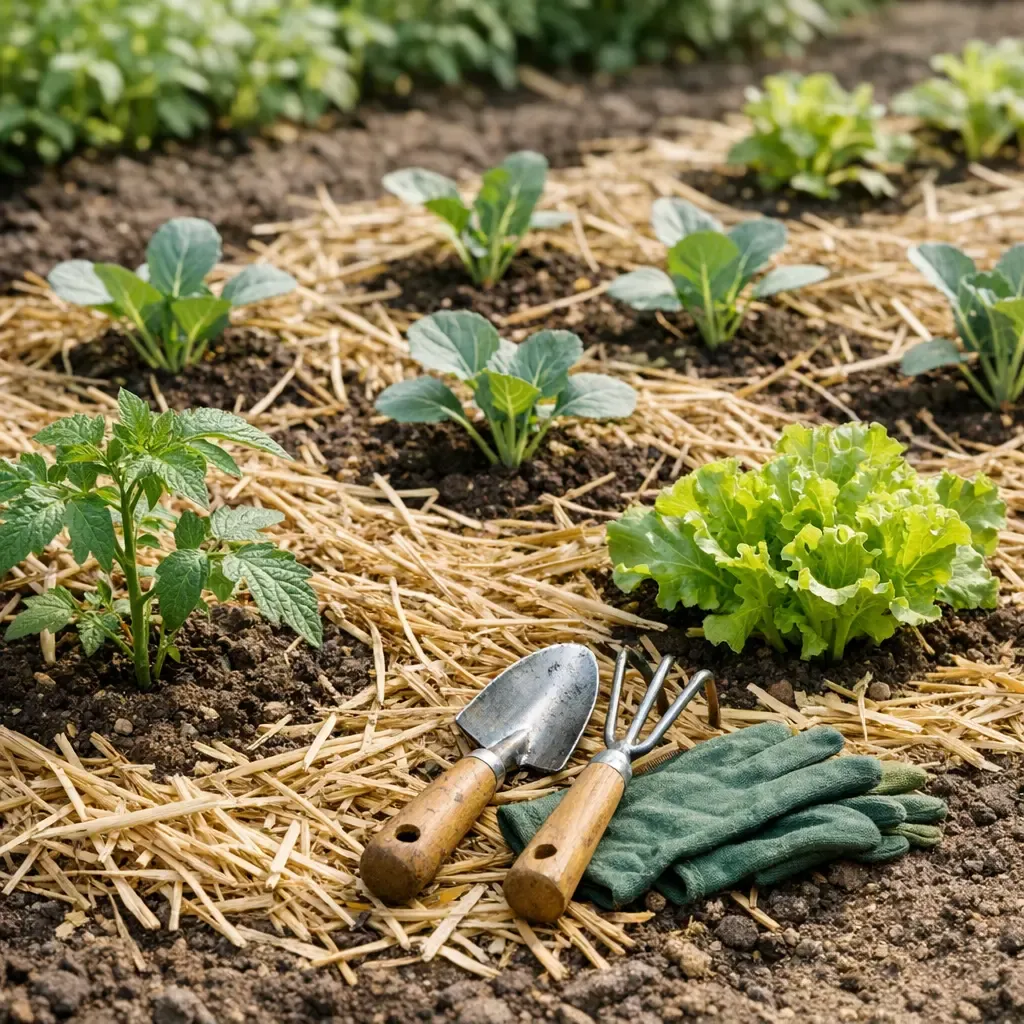
If compost is garden gold, mulch is the cozy blanket that keeps your soil steady and productive. A well-mulched bed needs less watering, grows fewer weeds, and handles weather swings much better.
The best part is that mulching is simple once you know a few practical rules.
Why Mulch Matters
Mulch is any material placed on top of the soil surface. Its job is to protect and improve the growing environment.
Benefits include:
- Suppresses weed germination
- Reduces evaporation and watering frequency
- Moderates soil temperature
- Prevents soil crusting and compaction from heavy rain
- Protects soil life and organic matter
Organic mulches break down over time, feeding the soil food web and gradually improving structure.
Organic vs Inorganic Mulch
Organic Mulch
Examples: straw, shredded leaves, compost, pine needles, grass clippings, wood chips.
- Improves soil as it decomposes
- Usually better for edible and ornamental beds
- Needs replenishing each season
Inorganic Mulch
Examples: gravel, rubber chips, landscape fabric with rock.
- Longer lasting
- Useful in pathways or dry landscape areas
- Does not build soil biology
For most home food gardens, organic mulch is the better long-term choice.
Best Mulch Types by Garden Area
Vegetable Beds
- Straw (seed-free): excellent all-purpose choice
- Shredded leaves: free and effective if partially decomposed
- Compost: great top-dressing, best paired with another mulch layer
Avoid thick fresh wood chips directly in annual vegetable beds during active growing, especially around tiny seedlings.
Perennial Beds and Shrub Borders
- Wood chips: durable, slow breakdown, strong weed suppression
- Leaf mold: excellent moisture retention and soil conditioning
Paths
- Coarse wood chips or bark
- Gravel (if you want a permanent surface)
When to Apply Mulch
Timing matters.
- In spring: wait until soil has warmed before adding thick layers around warm-season crops
- In summer: apply to conserve moisture and reduce stress
- In fall: top up beds to protect soil through winter rain and wind
Always weed and water first, then mulch.
How Much Mulch to Use
For most beds, 2-3 inches is ideal.
- Less than 2 inches usually lets weeds through
- More than 4 inches can reduce airflow and trap too much moisture
Keep mulch a few inches away from stems and trunks. Piling mulch against stems can lead to rot and pest issues.
Step-by-Step Mulching Process
- Remove existing weeds, including roots where possible
- Water the bed deeply
- Add a light compost layer if needed
- Spread mulch evenly to 2-3 inches
- Pull mulch back from stems and crowns
- Check and refresh thin spots during the season
This one-time setup can save hours of weeding and frequent watering later.
Common Mulching Mistakes
Mulching Over Weeds
Mulch suppresses new weeds but often fails against established perennial weeds. Clear the bed first.
Using Hay Instead of Straw
Hay often contains seeds and can create a weed problem. Choose clean straw when possible.
Applying Fresh Grass Clippings Too Thick
Wet grass layers can mat down and smell sour. Use thin layers or dry them before applying.
Creating Mulch Volcanoes Around Plants
Keep mulch off plant stems and tree trunks to prevent rot.
Seasonal Maintenance Plan
- Early spring: loosen compacted mulch and top up thin areas
- Mid-summer: check depth and add a thin refresh layer if needed
- Fall: add leaves or chips to protect bare soil over winter
Mulch is not a one-time task. Small adjustments through the season keep beds working efficiently.
Final Takeaway
Mulch is one of the highest-return jobs in the garden. A few hours spreading mulch can save you weeks of weeding and extra watering while steadily improving soil health.
If your goal is less work and better results, start with mulch. If your back complains like mine does, do it in short rounds and call that a win.