Showing Posts From
Fall gardening
- 07 Mar, 2026
Garlic for Beginners: Plant in Fall, Harvest with a Smile
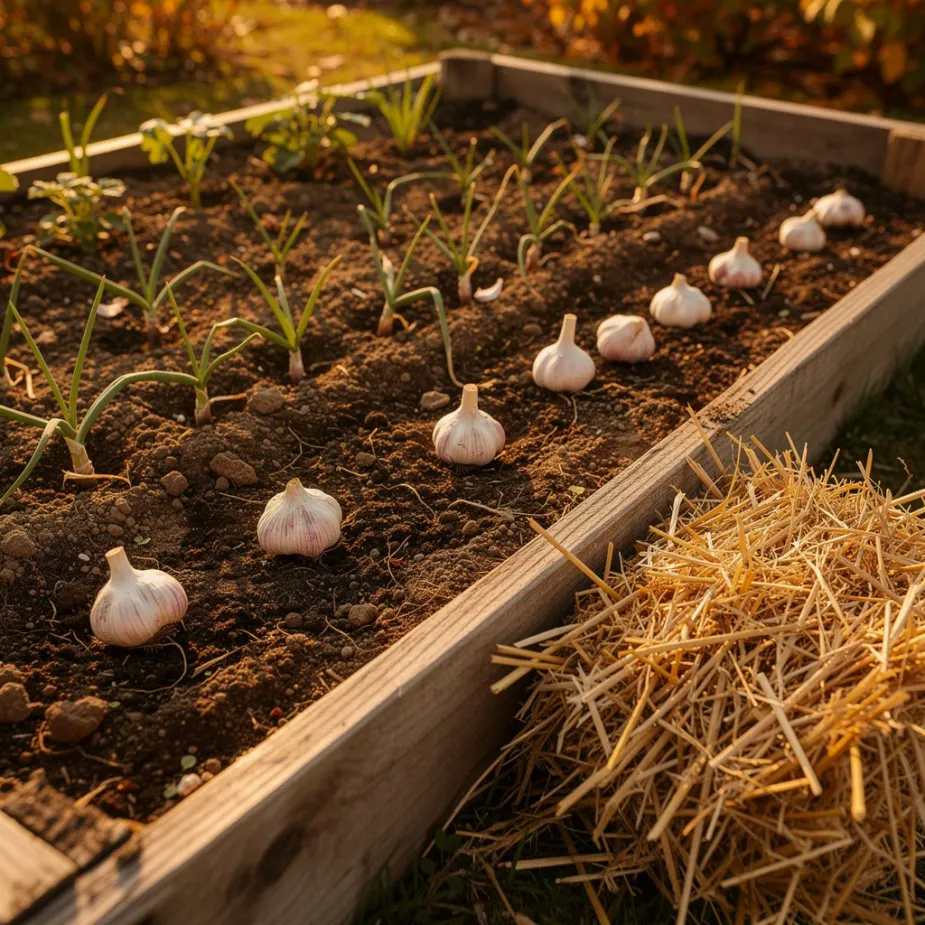
Garlic is one of those crops that makes me feel smarter than I am. You tuck cloves in the ground in fall, mostly forget about them through winter, and then pull up beautiful bulbs in summer like some kind of garden magician. If you are new to garlic, start simple. It is one of the most forgiving crops I grow. Why Garlic Is Worth GrowingUses very little space Needs less day-to-day fuss than many vegetables Stores well for months when cured properly Gives you both bulbs and optional garlic scapes (if you grow hardneck types)I started with one short row years ago because my knees were acting up and I needed a low-maintenance win. It became a yearly habit. Hardneck vs Softneck HardneckBetter flavor complexity for many cooks Produces edible scapes Often does best in colder climates Usually fewer, larger clovesSoftneckLonger storage life in many conditions No scapes Often more cloves per bulb Common in warmer regions and grocery storesIf you are unsure, ask a local grower or extension office what performs best in your area. When to Plant Garlic Garlic is usually planted in fall, about 4-6 weeks before the ground freezes hard. That timing lets roots establish before deep winter, then growth takes off in spring. For planning windows, pair this with Fall Vegetable Gardening: What to Plant and When. How to Plant Garlic (The Easy Version)Choose healthy seed garlic, not supermarket garlic Separate bulbs into cloves right before planting Plant cloves pointed end up, 2 inches deep Space 4-6 inches apart in rows about 8-12 inches apart Water in well Mulch with 3-4 inches of straw or shredded leavesDo not peel the cloves. Keep the papery wrapper on. Spring Care Once growth begins in spring:Pull weeds early so garlic is not competing Keep moisture steady, especially during bulbing Side-dress lightly with compost in early spring Remove hardneck scapes when they curl (great for pesto)If watering routines are a struggle, this guide helps: How to Water a Vegetable Garden the Right Way. When to Harvest Garlic is usually ready when lower leaves brown but upper leaves are still partly green. A common rule:Harvest when about one-third to one-half of leaves have dried downIf you wait too long, wrappers split and storage quality drops. Curing and Storage After harvest:Brush off loose soil (do not wash bulbs) Cure in a dry, airy, shaded place for 2-3 weeks Trim roots and tops after curing Store in a cool, dry spot with airflowAvoid sealed containers. Garlic likes to breathe. Common Beginner MistakesPlanting grocery garlic that may be treated or poorly adapted Planting too late in fall Overwatering in heavy soils Skipping mulch before winter Waiting too long to harvestMy Gentle Nudge If you only try one new crop this year, make it garlic. Truly. Plant one small bed this fall and let future-you enjoy that first homegrown bulb in summer. That little success feels wonderful. Related ReadingFall Vegetable Gardening: What to Plant and When Mulching for Healthier Garden Beds: A Practical Guide How to Water a Vegetable Garden the Right Way
- 05 Mar, 2026
Fall Vegetable Gardening: What to Plant and When
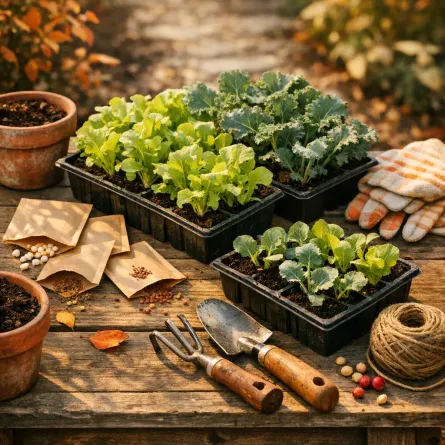
Many gardeners treat summer like the finish line, but some of my favorite harvests come in fall. Cooler temperatures ease the pest pressure, and plenty of crops taste sweeter after chilly nights. With smart timing, you can keep harvesting well into autumn and, in some climates, even through winter. Why Fall Gardening Works So Well Cool-season crops thrive when days are mild and nights are cool. In many regions, fall weather is more stable than spring, which means fewer temperature swings and less stress on young plants. Other advantages:Fewer weeds than spring planting Slower bolting in leafy greens Better flavor in carrots, kale, and brassicas after light frost Productive use of beds after summer crops finishStart With Your First Fall Frost Date Your first expected fall frost date is the anchor for all planning.Look up your average first frost date Count backward based on each crop's days to maturity Add 1-2 extra weeks because shorter days slow growthThis gives you a practical sowing window instead of guesswork. Reliable Fall Crops Fast Growers (Great for late starts)Radishes Arugula Baby spinach Mustard greens Turnips (for greens and roots)Mid-Season CropsBeets Carrots Swiss chard Lettuce mixes Bush peas in mild climatesFrost-Tolerant StandoutsKale Collards Cabbage Broccoli (transplants) Brussels sprouts (transplants)Use transplants for longer-season brassicas if your fall window is short. A Simple Fall Planting Timeline Use this as a framework and adjust to your climate.12-14 weeks before first frost: start broccoli, cabbage, and kale transplants 10-12 weeks before first frost: sow carrots, beets, and chard 8-10 weeks before first frost: sow lettuce, spinach, and turnips 6-8 weeks before first frost: sow radishes and arugulaSuccession planting every 10-14 days keeps harvests coming. Preparing Beds After Summer Crops When tomatoes, cucumbers, or beans decline, reset beds quickly:Remove spent plants and diseased debris Add compost to replace nutrients Loosen topsoil and level the bed Irrigate before sowing for even germination Mulch after seedlings are establishedThis fast turnover keeps late-season momentum. Managing Heat During Fall Starts In many places, fall planting begins while days are still hot.Water seed rows consistently to prevent crusting Use shade cloth during intense afternoon sun Sow in the evening and keep surface moisture steady Choose heat-tolerant lettuce varieties for early roundsOnce temperatures drop, growth becomes easier to manage. Light Frost Protection That Extends Harvest Simple protection can add weeks or months of production.Floating row cover: protects from light frost and wind Low tunnels: create a warmer microclimate Cold frames: ideal for greens in late fall and winter Mulch around roots: buffers soil temperatureInstall supports before bad weather arrives so protection is quick when forecasts change. Common Fall Gardening Mistakes Planting Too Late The biggest issue is missing the maturity window. Count backward early and plant on time. Forgetting Day-Length Slowdown Crops that mature in 45 days in spring may need longer in fall. Add buffer time. Not Rebuilding Soil Between Seasons Beds exhausted from summer need compost and moisture before replanting. Growing Only One Round Succession sowings create steady harvests instead of one short flush. Final Takeaway Fall gardening rewards planning more than luck. Start with frost dates, choose dependable cool-season crops, and protect plants when temperatures dip. With a little structure, your garden can stay productive long after summer beds fade. If spring is about beginnings, fall is about finishing strong. Start with one sowing this week and build from there. Related ReadingSpring Garden Planning: Getting Ready for the Growing Season Mulching for Healthier Garden Beds: A Practical Guide Root Vegetables for Beginners: Carrots, Beets, Radishes, and Turnips