Composting 101: Turn Kitchen Scraps into Garden Gold
- 08 Jan, 2026
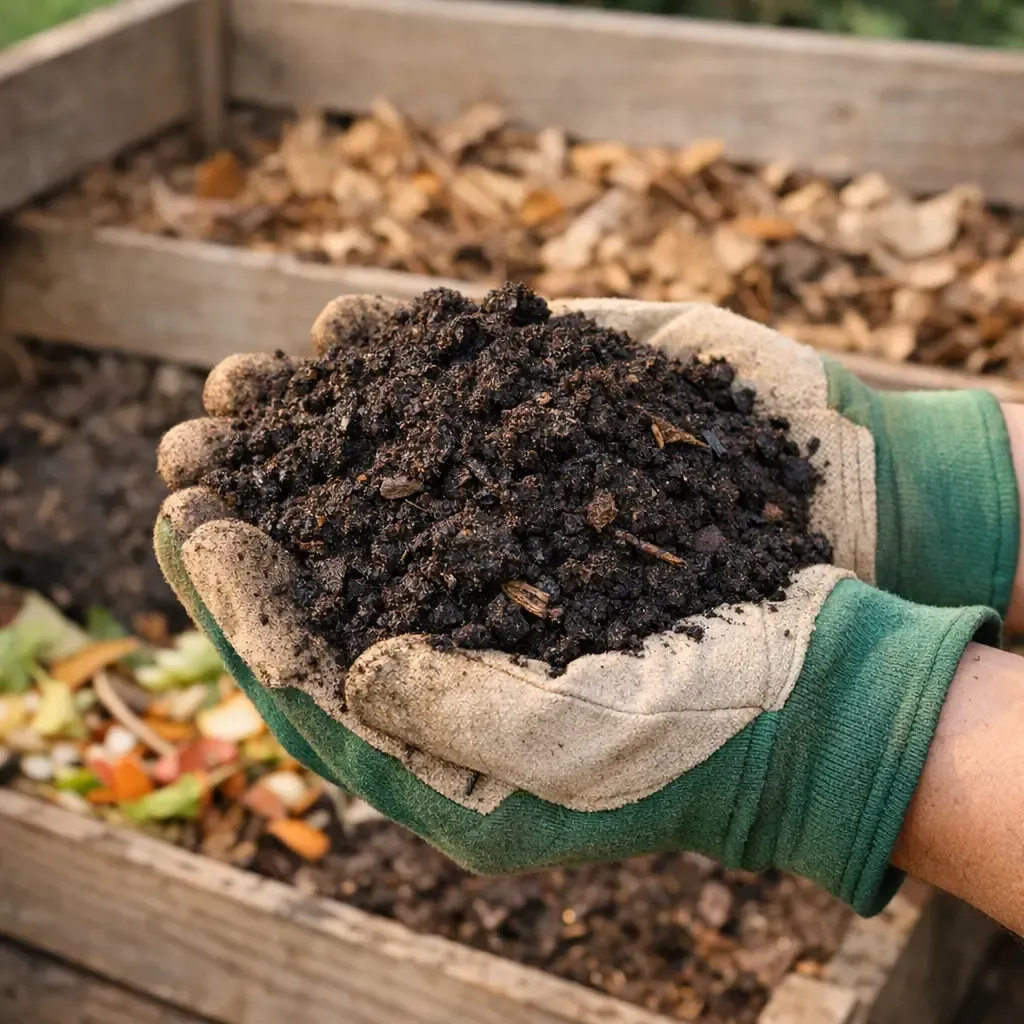
If there’s one thing that transformed my garden more than anything else, it’s compost. This “black gold” has saved me money, improved my soil, and honestly made me feel less wasteful. If composting sounds messy or complicated, I promise it’s simpler (and less smelly) than most of us fear.
Why Compost?
Before we dive into the how, let’s talk about the why:
- Reduces waste: Up to 30% of household waste can be composted
- Improves soil: Adds nutrients and beneficial microorganisms
- Saves money: No need to buy fertilizers or soil amendments
- Fights climate change: Keeps organic matter out of landfills where it produces methane
The Basic Science
Composting is simply controlled decomposition. You’re creating the perfect environment for bacteria, fungi, and other organisms to break down organic matter. The key is balancing:
- Greens (nitrogen-rich): Kitchen scraps, grass clippings, coffee grounds
- Browns (carbon-rich): Dry leaves, cardboard, straw
- Air and moisture
The ideal ratio is about 3 parts browns to 1 part greens. If your pile smells bad, add more browns. If it’s not breaking down, add more greens.
What to Compost
Yes, Please! ✅
- Fruit and vegetable scraps
- Coffee grounds and filters
- Tea bags (remove staples)
- Eggshells (crushed)
- Dry leaves
- Grass clippings (in moderation)
- Cardboard and paper (shredded)
- Wood chips and sawdust
- Garden trimmings
No, Thanks! ❌
- Meat, fish, and bones
- Dairy products
- Oils and fats
- Diseased plants
- Weeds with seeds
- Pet waste
- Treated wood
Composting Methods
Traditional Bin Composting
The classic method! You can buy a compost bin or make one from pallets or wire mesh.
Pros: Low maintenance, large capacity
Cons: Takes 3-12 months, requires outdoor space
Tumbler Composting
A rotating drum that makes turning easy.
Pros: Faster decomposition (1-3 months), pest-resistant
Cons: More expensive, limited capacity
Vermicomposting (Worm Composting)
Red wiggler worms do the work for you!
Pros: Works indoors, produces amazing castings, fast
Cons: Requires maintaining worm population, limited to food scraps
Bokashi Composting
A Japanese method using fermentation.
Pros: Can include meat and dairy, works indoors, fast
Cons: Requires special bran, produces pre-compost that needs finishing
Getting Started: A Simple Guide
- Choose your method based on your space and needs
- Pick a location: partial shade, good drainage, convenient access
- Start with a layer of browns (about 4 inches)
- Add your greens
- Cover with more browns
- Keep it moist (like a wrung-out sponge)
- Turn regularly (every 1-2 weeks for faster results)
Troubleshooting Common Problems
| Problem | Cause | Solution |
|---|---|---|
| Bad smell | Too wet or too many greens | Add browns, turn pile |
| Not decomposing | Too dry or not enough greens | Add water and greens |
| Pests | Exposed food scraps | Bury scraps in center, add browns |
| Too slow | Pile too small or dry | Build bigger pile, add water |
How to Know It’s Ready
Finished compost is:
- Dark brown or black
- Crumbly texture
- Earthy smell
- No recognizable original materials
This usually takes 2-6 months depending on your method and attention.
Using Your Compost
Once you have that beautiful black gold:
- Mix into planting beds before sowing
- Use as mulch around established plants
- Make compost tea for liquid feeding
- Add to potting mixes (about 25%)
My Compost Journey
I started with a simple wire bin in the corner of my yard and a lot of guesswork. Now I have three bins in different stages, and I almost never buy bagged soil amendments anymore. There’s something deeply satisfying about this cycle: kitchen scraps become compost, compost feeds the garden, and the garden feeds us.
Start your compost pile today and use your first finished batch where it will make the biggest impact. Even one small bin is enough to get the rhythm going.