The Magic of Companion Planting: Friends and Foes in Your Garden
- 12 Jan, 2026
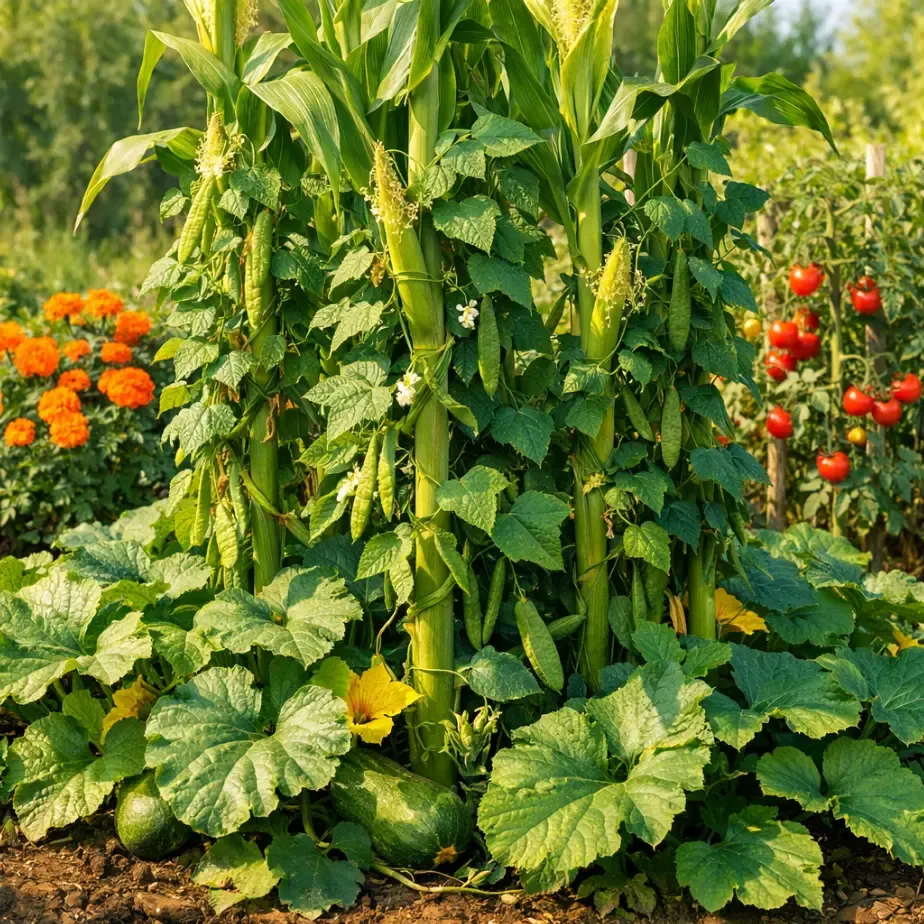
If you’re anything like me, you’ve planted things where there was room and hoped for the best, then wondered why one bed thrived and another sulked. Companion planting changed that for me. Plants really do have neighbors they love and neighbors they’d rather not share space with, and once you see it in your own garden, it feels a little bit magical.
What is Companion Planting?
Companion planting is the practice of growing certain plants together for mutual benefit. Some plants repel pests, others attract beneficial insects, and some even improve the soil for their neighbors.
The Three Sisters: A Perfect Partnership
One of the most famous companion planting combinations comes from Native American agriculture: the Three Sisters.
- Corn provides a natural trellis for beans to climb
- Beans fix nitrogen in the soil, feeding the other plants
- Squash spreads along the ground, shading out weeds and retaining moisture
This trio has been grown together for thousands of years, and it’s still just as effective today!
Best Companion Combinations
Tomatoes Love…
- Basil: Improves flavor and repels aphids and hornworms
- Carrots: They loosen the soil for tomato roots
- Marigolds: The ultimate pest deterrent
- Parsley: Attracts beneficial insects
Carrots Love…
- Onions and leeks: Their strong scent confuses carrot flies
- Rosemary: Another carrot fly deterrent
- Lettuce: Provides shade for carrot shoulders
Cucumbers Love…
- Sunflowers: Attract pollinators and provide light shade
- Dill: Attracts beneficial wasps
- Radishes: Act as a trap crop for cucumber beetles
Plants to Keep Apart
Not all plant relationships are harmonious! Here are some combinations to avoid:
| Keep These Apart | Why |
|---|---|
| Tomatoes & Brassicas | Tomatoes stunt cabbage family growth |
| Beans & Onions | Onions inhibit bean growth |
| Fennel & Most vegetables | Fennel releases compounds that inhibit growth |
| Dill & Carrots | They can cross-pollinate and affect flavor |
Flowers: The Unsung Heroes
Don’t underestimate the power of flowers in your vegetable garden! They’re not just pretty faces:
- Marigolds: Repel nematodes, aphids, and beetles
- Nasturtiums: Act as trap crops for aphids
- Lavender: Repels moths and attracts pollinators
- Calendula: Attracts beneficial insects and has medicinal properties
Creating Your Companion Planting Plan
When planning your garden, think about:
- What pests commonly affect your crops?
- What beneficial insects do you want to attract?
- What plants have different root depths (so they don’t compete)?
- What plants mature at different times?
My Garden’s Best Friends
In my own garden, I always tuck basil between my tomato plants. The combination is unbeatable, both in the garden and on the plate. I also ring my beds with marigolds and nasturtiums, and I really do notice fewer pest headaches when I keep up with that simple habit.
Give companion planting a try this season and keep notes on what works in your space. Start with one bed if that’s all your knees and schedule can handle right now.