Showing Posts From
Seeds
- 02 Jan, 2026
Spring Garden Planning: Getting Ready for the Growing Season
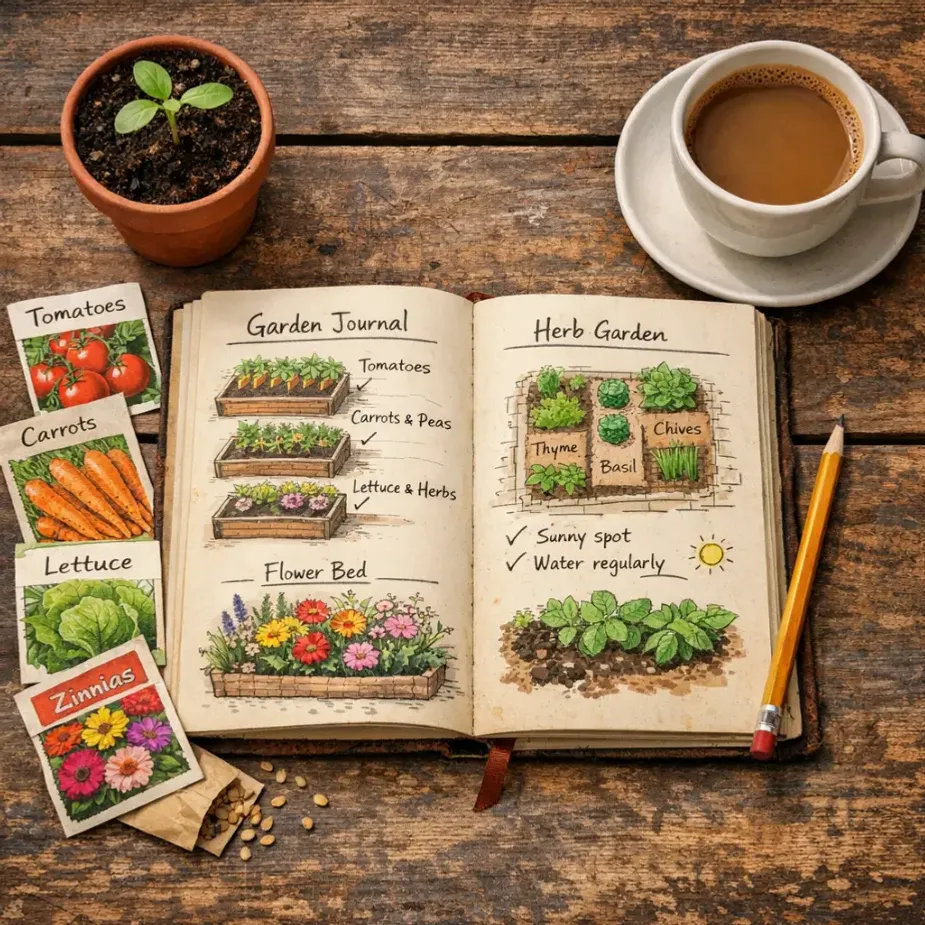
While winter winds are still blowing, spring planning has already started at my kitchen table. There is something so hopeful about flipping through seed catalogs and sketching bed plans while the world outside still looks gray. January-February: Dream and Plan Review Last Year Before planning ahead, look back:What grew well? What struggled? Which varieties were worth growing again? Were there pest or disease problems? Did you have too much or too little of anything?I keep a garden journal for exactly this purpose. Even just a few notes about what worked and what didn't is invaluable. Order Seeds Early The best varieties sell out fast! Here's my approach:Make a list of must-haves first Try 2-3 new varieties each year Consider disease-resistant varieties if you had problems Check seed viability if using saved seedsSeed catalog favorites:Johnny's Selected Seeds (great for northern climates) Baker Creek (heirloom varieties) High Mowing (organic seeds) Local seed companies for regionally-adapted varietiesPlan Your Layout Sketch your garden beds and plan what goes where. Consider:Crop rotation: Don't plant the same family in the same spot as last year Sun exposure: Tall plants shouldn't shade shorter ones Succession planting: Plan multiple sowings of quick crops Companion planting: Group friends together (here is a practical Companion Planting Guide)March-April: Start Seeds and Prep Indoor Seed Starting Count back from your last frost date to know when to start:10-12 weeks before: Onions, leeks, peppers 6-8 weeks before: Tomatoes, eggplant 4-6 weeks before: Brassicas, herbs 2-4 weeks before: Squash, cucumbers (if transplanting)Seed starting essentials:Sterile seed-starting mix Good drainage Bottom heat (heat mat) Strong light source Consistent moistureGarden Bed Preparation As soon as the ground can be worked:Remove debris and any lingering weeds Test your soil every 2-3 years Add compost: 2-4 inches worked into top layer Address drainage issues before planting Edge beds for a clean look and to prevent grass invasionClean and RepairSharpen tools and oil wooden handles Clean and sanitize pots and trays Repair raised beds, trellises, and fencing Check irrigation systemsApril-May: Hardening Off and Planting Hardening Off Seedlings Don't skip this step! Gradually introduce indoor seedlings to outdoor conditions: Week 1: 1-2 hours of shade, bring in at nightWeek 2: 3-4 hours with some morning sunWeek 3: Full day outside, bring in if frost threatensWeek 4: Leave out overnight if no frost expected Planting Timeline Before last frost:Direct sow peas, lettuce, spinach, radishes Transplant brassicas (with protection) Plant onion sets and seed potatoesAfter last frost:Transplant tomatoes, peppers, eggplant Direct sow beans, squash, cucumbers Plant tender herbsTwo weeks after last frost:It's finally safe for everything!My Spring Planning Ritual Every January, I make a cup of tea, gather my seed catalogs and old garden notes, and spend a quiet afternoon dreaming about the year ahead. I sketch my beds, make my seed list, and place my orders. There is something magical about those paper packets of potential, each one holding the promise of future meals and flower stems on the table. Even on the coldest day, planning spring reminds me that warmth and growth are coming. Free Garden Planning Worksheet Here's a simple planning template: For each bed, note:Last year's crops This year's planned crops Planting dates Seed/transplant source Expected harvest windowMonthly to-do checklist: January: Order seeds, review journal February: Start slow-growing seeds indoors March: Start main crop seeds, prep beds April: Harden off, plant cool-season crops May: Plant warm-season cropsIf you also map out your cool-season crops now, you'll set yourself up for a stronger Fall Vegetable Gardening season. Related ReadingSpring Soil Testing and Amendments: Start Strong Without Guessing Root Vegetables for Beginners: Carrots, Beets, Radishes, and Turnips