Showing Posts From
Succession planting
- 25 Mar, 2026
Succession Planting for Continuous Harvests
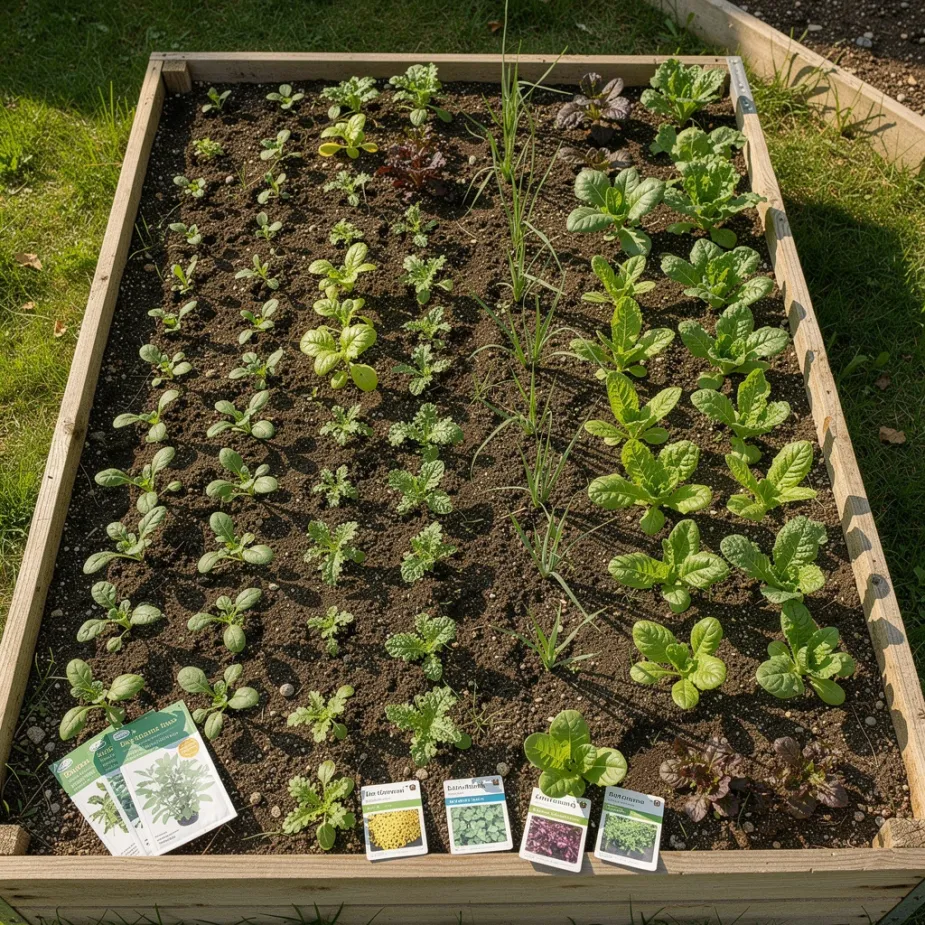
I used to plant everything in one big enthusiastic weekend and then wonder why I had either too much lettuce or none at all. Succession planting fixed that feast-or-famine cycle in my garden. Think of it as planting in waves instead of one giant push. What Succession Planting Means Succession planting is simply sowing or transplanting crops at intervals so harvests are spread out. Instead of 30 radishes maturing the same week, you plant a short row every 10-14 days and harvest steadily. Why It Helps So MuchMore consistent harvests for the kitchen Less waste from overproduction Better use of garden space all season Easier workload for planting and preservingIf your energy is limited (mine certainly is some weeks), smaller repeat tasks are easier on your body than marathon garden days. Three Easy Succession Methods 1) Same Crop, Staggered Timing Plant the same crop every 1-3 weeks. Great for:Lettuce Radishes Bush beans Cilantro2) Different Crops in the Same Space As one crop finishes, another goes in. Example:Spring spinach Summer bush beans Fall turnips3) Early, Mid, and Late Varieties Plant varieties with different maturity windows at the same time. Example for carrots:Early variety Mid-season variety Storage varietySimple Timing Framework Use days to maturity and your frost dates.Check average first and last frost dates Count backward for fall crops Add a small time buffer in fall when day length shortens Set calendar reminders every 10-14 days for quick re-sowingThis works well alongside Spring Garden Planning: Getting Ready for the Growing Season and Fall Vegetable Gardening: What to Plant and When. Beginner Succession Calendar (Example)Every 10 days: lettuce, arugula, radishes Every 14 days: bush beans (through midsummer) Monthly: carrots and beets in small blocks Late summer: re-sow cool-season greens for fallAdjust to your climate, but the pattern stays the same. Common MistakesPlanting too much in each wave Forgetting to prep replacement seedlings in time Not refreshing soil between crops Ignoring heat stress during summer sowingsA quick compost top-dress between rotations helps beds bounce back. My Practical Rule I keep seed packets in a small basket by the door and sow one short row whenever I water deeply on Sundays. That tiny routine changed my harvests more than any expensive tool ever did. If you are feeling behind, start with one crop to succession-plant this month. One is enough to learn the rhythm. Related ReadingSpring Garden Planning: Getting Ready for the Growing Season Fall Vegetable Gardening: What to Plant and When Root Vegetables for Beginners: Carrots, Beets, Radishes, and Turnips