Showing Posts From
Pest control
- 08 Feb, 2026
Natural Pest Control: Protecting Your Garden Without Chemicals
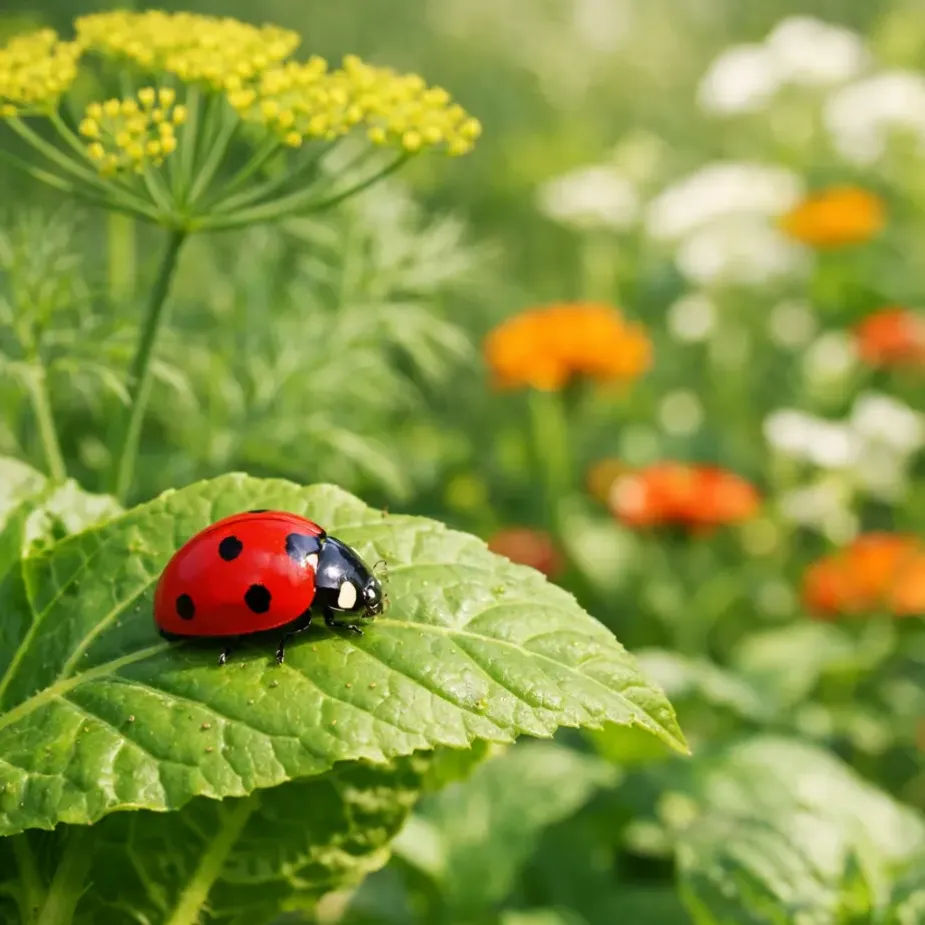
I'll never forget the morning I walked out and found my prized kale absolutely shredded by cabbage worms. My first instinct was to grab a spray, but I'm so glad I paused. That one rough morning sent me down the path of natural pest control, and my garden has been healthier and more balanced ever since. A Different Mindset The goal of natural pest control isn't to eliminate every single bug. It's about creating balance. A healthy garden has pests AND predators living in equilibrium. A few aphids on your roses? That's dinner for ladybugs. Some caterpillars nibbling your dill? They'll become the swallowtail butterflies you love. The key is keeping pest populations in check, not waging all-out war. Prevention: Your First Line of Defense The best pest control starts before you ever see a bug. Healthy Soil, Healthy Plants Plants growing in nutrient-rich, well-balanced soil are naturally more resistant to pests and disease. Think of it like your immune system: when you're well-nourished, you fight off illness better.Amend with compost regularly Test your soil every few years Mulch to support soil life Avoid over-fertilizing with nitrogen (it produces lush, soft growth that pests love)Choose Resistant Varieties Many modern vegetable varieties have been bred for pest and disease resistance. Look for these codes on seed packets:V: Verticillium wilt resistant F: Fusarium wilt resistant N: Nematode resistant T: Tobacco mosaic virus resistantPractice Good Garden HygieneRemove diseased plant material promptly Clean up fallen fruit and debris Rotate crops annually Space plants properly for good air circulation Water at soil level, not on foliageBeneficial Insects: Nature's Pest Control This is where it gets exciting. The insect world is full of tiny garden heroes! Ladybugs The most famous beneficial insect, and for good reason.What they eat: A single ladybug can devour 5,000 aphids in its lifetime! How to attract them: Plant dill, fennel, yarrow, and marigolds Bonus: Their larvae are even more voracious than the adultsLacewings Delicate green insects with an appetite for destruction (of pests).What they eat: Aphids, mealybugs, thrips, whiteflies, and small caterpillars How to attract them: Plant cosmos, coreopsis, and sweet alyssum Fun fact: Their larvae are called "aphid lions"Parasitic Wasps Don't worry, these tiny wasps don't sting humans!What they do: Lay eggs inside pest insects like aphids, caterpillars, and hornworms How to attract them: Plant small-flowered herbs like dill, cilantro, and parsley Look for: Mummified aphids (brown, papery) — that means wasps are at workGround Beetles These nocturnal hunters patrol your garden at night.What they eat: Slugs, snails, cutworms, and other soil-dwelling pests How to attract them: Provide ground cover, mulch, and stones for daytime hiding spotsHoverflies They look like tiny bees but are actually flies, and their larvae are aphid-eating machines.What they eat: Aphids, thrips, and scale insects How to attract them: Plant sweet alyssum, calendula, and herbs in flowerPhysical Barriers Sometimes the simplest solutions are the best. Row Covers Lightweight fabric draped over crops keeps flying pests out while letting light and rain through.Best for: Cabbage moths, flea beetles, squash vine borers Remove when: Plants need pollination (squash, cucumbers, peppers)Copper Tape A ring of copper tape around pots or raised beds gives slugs and snails a mild electric shock. Collars Cardboard or plastic collars around seedling stems prevent cutworm damage. Push them an inch into the soil. Netting Fine mesh netting protects berries and brassicas from birds and butterflies. Homemade Sprays and Solutions When prevention isn't enough, these gentle remedies can help. Garlic-Pepper Spray A broad-spectrum pest deterrent. Recipe:Blend 2 whole garlic bulbs with 2 hot peppers and 1 tablespoon of castile soap Strain through cheesecloth Dilute 1/4 cup concentrate in 1 quart of water Spray on affected plants in the eveningNeem Oil Derived from the neem tree, it disrupts pest feeding and reproduction.Effective against: Aphids, whiteflies, mealybugs, Japanese beetles Mix according to package directions Apply in the morning or evening (never in direct sun) Reapply after rainDiatomaceous Earth (Food-Grade) A fine powder made from fossilized algae that damages the exoskeletons of crawling insects.Dust around plant bases for slugs, earwigs, and ants Reapply after rain or watering Caution: It doesn't discriminate, so avoid dusting flowers where bees visitSoap Spray For soft-bodied insects like aphids, mealybugs, and spider mites.Mix 1 tablespoon of pure castile soap in 1 quart of water Spray directly on pests Rinse plants with clean water after a few hours Test on a small area first, some plants are sensitiveCommon Pests and What to DoPest Signs Natural SolutionsAphids Clusters on new growth, sticky residue Ladybugs, soap spray, strong water blastSlugs & Snails Holes in leaves, slime trails Beer traps, copper tape, diatomaceous earthCabbage Worms Holes in brassica leaves Row covers, hand-picking, Bt sprayTomato Hornworms Defoliated tomato plants Hand-pick (look for white cocoons — that's parasitic wasps!)Japanese Beetles Skeletonized leaves Hand-pick into soapy water, neem oil, milky sporeSquash Bugs Wilting leaves, egg clusters Hand-pick, crush eggs, trap under boardsFlea Beetles Tiny holes in leaves Row covers, neem oil, trap crops (radishes)Building a Pest-Resistant Garden Long-term pest management is about building an ecosystem, not buying products. Here's my approach:Plant diversely: Monocultures attract pests. Mix it up! Include flowers everywhere: Beneficial insects need nectar and pollen Provide habitat: Bug hotels, mulch, ground cover, and water sources Tolerate some damage: A perfect garden isn't a natural one Observe daily: Catch problems early before they become infestations Keep learning: Each season teaches you something new about your local ecosystemMy Turning Point These days, finding pests in my garden doesn't fill me with panic. It's more of a puzzle to solve. Last summer I spotted aphids on my peppers, resisted the urge to spray, and waited. Within a week, ladybugs showed up in force. Watching that balance return on its own was one of the most rewarding things I've seen in the garden. Work with nature, not against it, and you'll usually see more stability each season. Start small and keep observing, that's where confidence comes from. Related ReadingCompanion Planting: Friends and Foes in Your Garden Creating a Pollinator Paradise: Attracting Bees and Butterflies to Your Garden Common Garden Diseases: Identify, Prevent, and Treat Naturally