Showing Posts From
Heat
- 18 Mar, 2026
Summer Heat Heroes: Vegetables That Thrive in Hot Weather
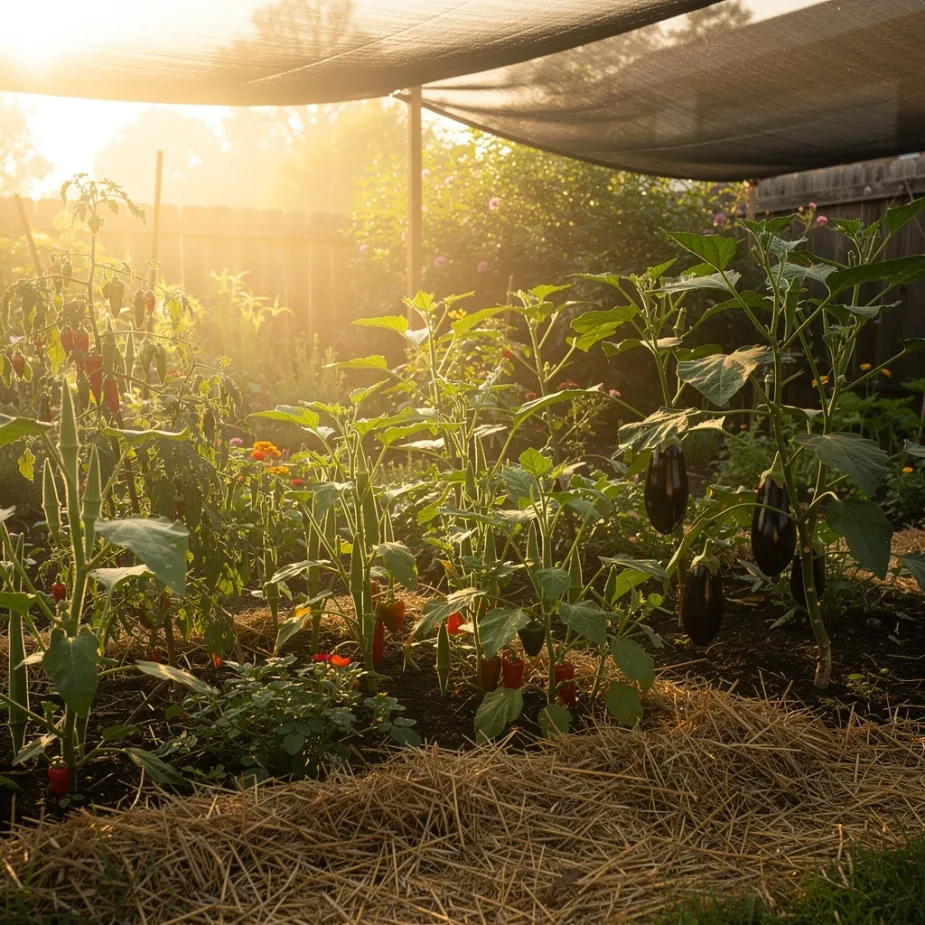
If your garden turns into a crispy little panic zone in July, you are not doing anything wrong. Some summers feel like standing in front of an open oven. I used to think the whole season was doomed once daytime temps sat above 90F, but a few smart crop choices changed everything. The trick is simple: grow vegetables that like heat and protect the rest with good routines. Heat-Tolerant Crops That Keep Going These are my reliable summer workhorses:Okra: Loves heat and keeps producing when many plants sulk Southern peas (cowpeas/black-eyed peas): Tough, productive, and forgiving Sweet potatoes: Vigorous growth once the soil warms up Malabar spinach: Not true spinach, but wonderful in heat Yardlong beans: Productive climber in hot weather Eggplant: Thrives when nights stay warm Peppers: Better performance with steady moisture and mulchIf you have room, plant at least two of these every year. That way, even in rough weather, you still bring in harvests. Watering in Heat Without Wasting Water Hot-weather watering is about consistency, not panic.Water deeply 2-3 times per week instead of shallow daily sprinkles Water early in the morning so roots are charged before afternoon heat Target soil, not leaves, to reduce disease pressure Check moisture 2 inches down before watering againIf you want a full foundation, pair this with How to Water a Vegetable Garden the Right Way. Mulch Is Not Optional in a Heat Wave Mulch acts like shade for your soil.Add 2-3 inches of straw, shredded leaves, or untreated grass clippings Keep mulch a little away from stems to prevent rot Replenish midsummer as it breaks downGood mulch can lower soil temperature, hold moisture, and reduce plant stress in one shot. I lean on this heavily in July. For a deeper how-to, see Mulching for Healthier Garden Beds: A Practical Guide. Simple Shade Tricks That Work Even heat-loving plants appreciate protection during extreme spells.Use 30% shade cloth over hoops during peak afternoon sun Give newly transplanted seedlings temporary shade for 3-5 days Plant taller crops on the west side to cast light afternoon shadeYou do not need a fancy setup. I have used clipped bedsheets in a pinch and saved young basil that would have fried otherwise. Signs of Heat Stress to Catch Early Watch for these before plants crash:Leaf curl during the hottest part of the day that does not recover by evening Blossom drop on tomatoes and peppers Bitter greens and bolting herbs Dull, gray-green foliage and slowed growthWhen you see this, shift to a recovery routine: deep morning water, fresh mulch, and temporary shade. A Practical Mid-Summer Reset Plan When your beds look tired, do this over one weekend:Remove dead or diseased foliage Top-dress with compost Refresh mulch Reseed quick crops in any open spaces (bush beans, basil, cucumbers) Install shade support before the next heat spikeThis reset pairs well with Late-Summer Garden Reset: What I Do When the Beds Look Tired. My Heat-Season Rule I no longer chase perfection in high summer. I chase resilience. A garden that survives a rough heat stretch and still gives you peppers, beans, and herbs is a successful garden. If your beds are struggling right now, start with one thing: mulch first. Then adjust watering. Those two changes alone can turn the season around. Related ReadingHow to Water a Vegetable Garden the Right Way Mulching for Healthier Garden Beds: A Practical Guide Late-Summer Garden Reset: What I Do When the Beds Look Tired