Showing Posts From
Disease
- 24 Mar, 2026
Common Garden Diseases: Identify, Prevent, and Treat Naturally
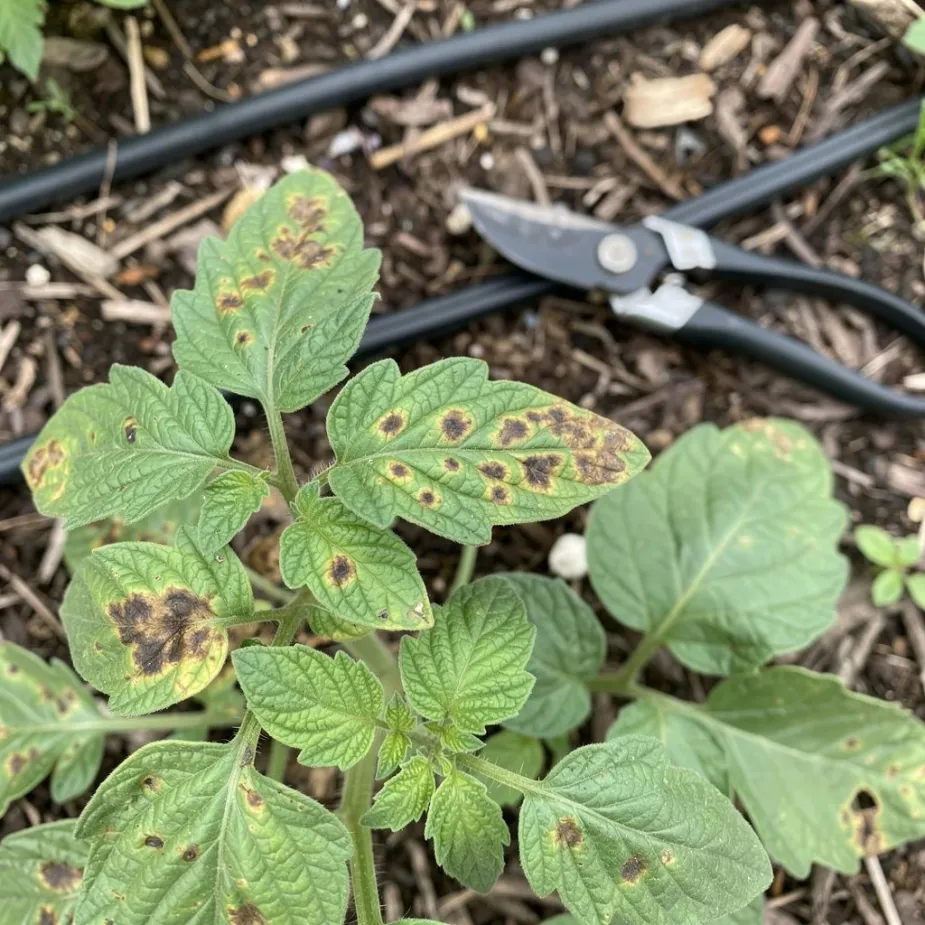
Pests get all the attention, but disease is what has broken my heart most often in the garden. One humid week can turn healthy plants into a blotchy mess. The good news is that most disease control is not about expensive sprays. It is about prevention and fast response. Why Disease Shows Up Most garden diseases need three things:A susceptible plant A pathogen (fungus, bacteria, or virus) Favorable conditions (often moisture plus poor airflow)Break one piece of that triangle and you reduce damage. Most Common Home-Garden Diseases Powdery MildewLooks like white powder on leaves Common in squash, cucumbers, zinnias Favored by crowded growth and poor airflowEarly BlightBrown spots with rings, often on lower tomato leaves Spreads upward if unmanaged Often worsens with leaf wetness and soil splashDowny MildewYellow patches on top of leaves, gray fuzz below Moves quickly in humid weather Common in cucurbits and basilDamping Off (Seedlings)Seedlings collapse at soil line Usually from overly wet, poorly ventilated seed-starting conditionsPrevention-First Routine 1) Space Plants for Airflow Crowding is a disease invitation. Give plants enough room for leaves to dry quickly after dew or rain. 2) Water the Soil, Not the Leaves Use drip irrigation, soaker hoses, or careful hand watering low at the base. For a full watering method, see How to Water a Vegetable Garden the Right Way. 3) Mulch to Reduce Soil Splash Mulch lowers the chance of pathogens splashing onto lower leaves during rain.Straw or shredded leaves work well Maintain 2-3 inches around plants4) Remove Infected Leaves Early At first sign, prune affected leaves and discard them in trash, not compost (unless your compost system runs hot enough to kill pathogens). 5) Rotate Crop Families Do not grow tomatoes in the same bed year after year. Rotation reduces disease carryover. 6) Keep Tools Clean Wipe pruners between plants if disease is active. A quick sanitize pass can prevent spread. Natural Treatment Options When prevention is not enough, these can help limit spread:Copper-based organic fungicides (follow label exactly) Potassium bicarbonate products for some fungal issues Biological fungicides (Bacillus-based) as preventative sprays Neem oil for certain fungal pressuresAlways test sprays on a small section first and avoid spraying in hot midday sun. Quick Symptom TableSymptom Likely Disease Type First ActionWhite powder on leaves Powdery mildew Remove worst leaves, improve airflow, apply targeted sprayBrown lower-leaf spotting Early blight Prune lower leaves, mulch, avoid overhead wateringSeedlings suddenly collapse Damping off Improve airflow, reduce moisture, use sterile mixLeaf yellowing with fuzzy underside Downy mildew Remove infected foliage quickly, reduce leaf wetnessWhere Pest and Disease Management Meet Healthy, unstressed plants resist disease better. Build that foundation with compost, mulch, and beneficial insect support. Pair this guide with Natural Pest Control: Protecting Your Garden Without Chemicals and Companion Planting: Friends and Foes in Your Garden. A Realistic Mindset You can do everything right and still lose a crop in a tough season. That is gardening, not failure. What matters is spotting problems earlier each year and tightening your routine. If you want one action to start today, prune lower crowded leaves on tomatoes and add fresh mulch. Small prevention steps pay off quickly. Related ReadingNatural Pest Control: Protecting Your Garden Without Chemicals Companion Planting: Friends and Foes in Your Garden Mulching for Healthier Garden Beds: A Practical Guide