Creating a Pollinator Paradise: Attracting Bees and Butterflies to Your Garden
- 10 Jan, 2026
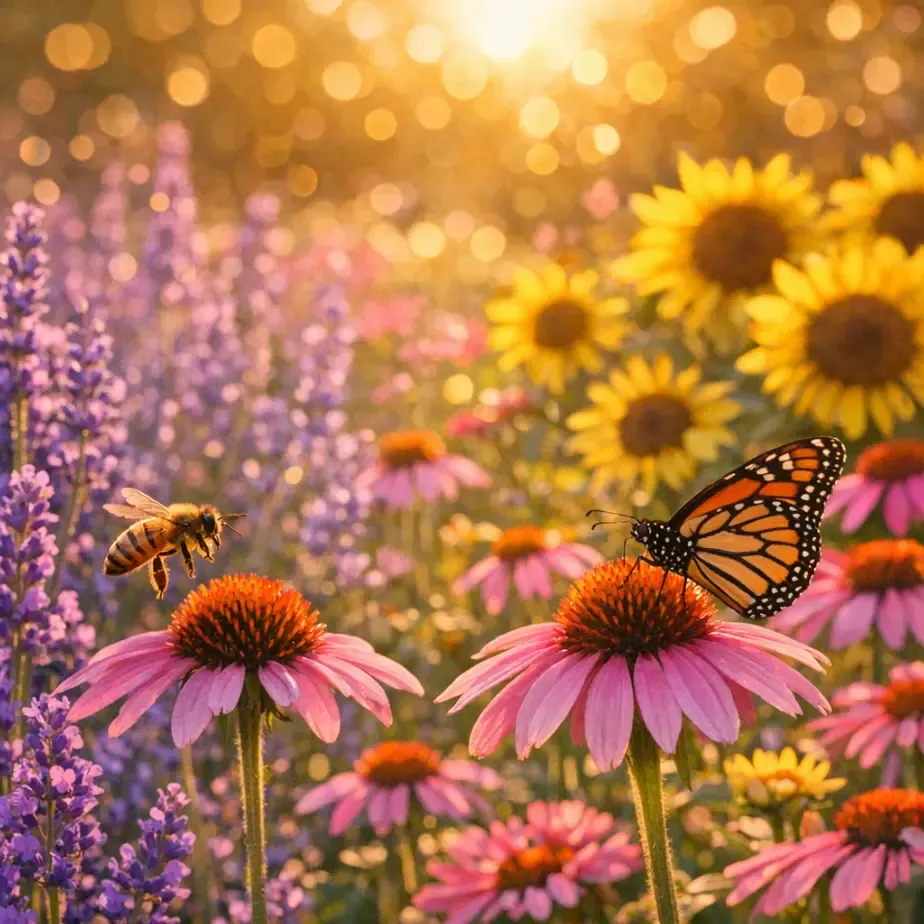
Most mornings, I take my coffee outside and watch the bees move from flower to flower. It’s one of the calmest parts of my day. Knowing the garden is feeding more than just me gives all that weeding and deadheading a bigger meaning.
Why Pollinators Matter
Let’s start with a sobering fact: one out of every three bites of food we eat depends on pollinators. Bees, butterflies, hummingbirds, and other pollinators are essential for our food system and ecosystem. Sadly, their populations are declining due to habitat loss, pesticides, and climate change.
The good news is your garden can make a difference.
The Best Plants for Pollinators
For Bees
Bees are attracted to blue, purple, and yellow flowers. They also love single-petaled flowers where they can easily access nectar and pollen.
Top picks:
- Lavender: A bee magnet!
- Salvia: Blooms for months
- Sunflowers: Provide abundant pollen
- Borage: Self-seeds and blooms continuously
- Herbs (thyme, oregano, mint when flowering)
For Butterflies
Butterflies need nectar plants for food and host plants for their caterpillars.
Nectar plants:
- Coneflowers (Echinacea)
- Black-eyed Susans
- Zinnias
- Butterfly bush (Buddleia)
- Asters
Host plants:
- Milkweed (essential for Monarchs!)
- Dill and fennel (for Swallowtails)
- Parsley (another Swallowtail favorite)
For Hummingbirds
These tiny jewels are attracted to tubular flowers, especially in red, orange, and pink.
Best choices:
- Bee balm (Monarda)
- Cardinal flower
- Trumpet vine
- Fuchsia
- Salvia
Creating Habitat
Plants are just the beginning! Here’s how to create a complete pollinator habitat:
Provide Water
A shallow dish with pebbles and water gives bees a safe place to drink. Change it regularly to prevent mosquitoes.
Leave Some Mess
Many native bees nest in the ground or in hollow stems. Leave some bare soil patches and don’t cut back all your perennials in fall. Those hollow stems are winter homes!
Create a Bee Hotel
A simple bee hotel made from bamboo tubes or drilled wood blocks provides nesting sites for solitary bees. Place it in a sunny, sheltered spot.
Avoid Pesticides
This is crucial! Even “organic” pesticides can harm pollinators. Embrace a little imperfection in your garden. A few holes in leaves are a sign of a healthy ecosystem.
Planning for Continuous Bloom
The key to supporting pollinators is having something blooming from early spring through late fall. Here’s a simple seasonal plan:
Early Spring: Crocus, grape hyacinth, flowering trees
Late Spring: Lilacs, apple blossoms, columbine
Early Summer: Lavender, salvia, catmint
Midsummer: Coneflowers, bee balm, sunflowers
Late Summer: Sedum, asters, goldenrod
Fall: Asters, chrysanthemums, fall-blooming crocus
My Pollinator Journey
When I first started gardening, I planted mostly for color. These days I plant with pollinators in mind first, and honestly my garden has never looked better. The flutter of wings and gentle bee hum make the whole place feel alive.
Start small. Even one pot of lavender on a balcony helps, and it’s a lovely place to begin.